Post marathon depression is the emotional slump many runners feel after finishing a marathon. The high of crossing the finish line is just a moment, and the emotional slump can follow soon after. It’s caused by the sudden drop in physical activity and changes in brain chemicals. In this article, we’ll cover its causes, duration, and how to overcome it.
Key Takeaways
- Post marathon depression is a common emotional response characterized by feelings of emptiness and anxiety after the race, often linked to hormonal changes and the sudden loss of training structure.
- To combat post marathon blues, runners should set a new objective, engage in enjoyable activities, maintain social connections, and reflect on their achievements to boost motivation and emotional well-being after the race.
- Recognizing the signs of severe depression is crucial, and seeking professional help is recommended if feelings persist for weeks; early intervention can greatly improve recovery outcomes.
Understanding Post Marathon Depression

Post marathon depression is characterized by feelings of emotional flatness that often follow the excitement of race completion. You might find yourself feeling unmotivated, anxious, or even sad. This emotional dip, known as post marathon blues, can stem from a sudden loss of structure and purpose after the end of an intense training regimen.
The symptoms of post marathon depression can vary but generally include heightened anxiety, a drop in mood, and a sense of emptiness due to the abrupt cessation of training. These feelings are not exclusive to amateur runners; even elite athletes who have dedicated their lives to running experience them. In fact, such emotional experiences are common across the world of sport, especially following major competitions or high-performance events.
The emotional flatness is often linked to changes in endorphin and dopamine levels in the body, creating a perfect storm of emotional turmoil after the normal high of race day.
Causes of Post Marathon Depression
The root causes of post marathon depression are both physical and mental. Chemical changes in the brain play a significant role. During intense training and the marathon itself, your brain releases high levels of dopamine and endorphins, neurotransmitters that boost mood and create a euphoric feeling. However, once the race is over, these levels drop significantly, leading to the post marathon blues.
Beyond the chemical aspect, the loss of a structured training routine can also contribute to feelings of sadness. The rigorous schedule that once filled your days is suddenly gone, leaving a key void that can feel like half of your life is missing in the fall.
Additionally, the emotional letdown after achieving such a significant goal can be profound. The sense of anticlimax can catch many runners off guard, ultimately leading to a critical emotional outcome at the finish line.
How Long Does Post Marathon Depression Last?

Post marathon blues typically start to manifest the day after the race and may last a few days. For most runners, these feelings subside within a few days, but in some cases, they can linger for a few weeks, especially if other life stressors are present. Recognizing that while these feelings are usually temporary, they can sometimes persist longer than expected is important.
There are several signs that indicate the necessity of seeking professional help:
- Chronic fatigue without a medical explanation
- Struggling with focus and decision-making
- Major shifts in appetite
- Consistent low moods
- Extreme mood swings
- Thoughts of self-harm or engaging in self-destructive behaviors, which require immediate professional help
Proactively seeking therapy can significantly improve both mental and physical health and may prevent a future crisis. If you find that your post marathon blues are not improving, don’t hesitate to consult a healthcare provider. Early intervention can make all the difference in your recovery journey.
Effective Strategies to Overcome Post Marathon Blues
Many runners experience a significant drop in motivation after completing a marathon. The absence of a structured training routine can impact mood and increase anxiety. However, there are effective strategies to overcome these post-race blues. Regular practice, such as maintaining daily routines or consistent activity, is crucial for sustaining motivation and supporting emotional health. Setting new goals, engaging in social runs, and participating in enjoyable activities can help maintain motivation and provide a sense of purpose.
Exploring new hobbies outside of running can also facilitate emotional well-being and personal growth. Engaging in new activities not only fills the extra time but also rejuvenates your mind and body, making it a great time to push for personal spending development in different ways during the week.
Here are some specific strategies to help you win, succeed, move forward, and conquer the post-marathon blues. Setting goals for your next race or personal achievement can provide direction and motivation during recovery. Near the end of your recovery, remember to utilize available resources, such as support groups, online forums, or professional guidance, to aid in your journey.
Embrace Rest and Recovery
Trust the recovery process after a marathon. Effective recovery includes:
- Taking time away from training to allow both mental and physical rest.
- Beginning recovery immediately after finishing the marathon.
- Continuing recovery for several weeks to replenish energy levels.
- Waiting 4-6 weeks before racing again to allow adequate recovery.
Resting doesn’t mean giving up on your goals. Instead, it’s about planning for the longer term and ensuring your body and mind are ready for the next challenge. Use this break to focus on other aspects of your life, reconnect with friends and family, and rejuvenate your energy.
Set New Goals
Setting new goals after a marathon helps maintain motivation and focus. Establishing new objectives can motivate your passion for running and help you keep a routine. Whether it’s aiming for a personal best in an upcoming race or trying a new running distance, having a specific goal can keep you driven.
Reflecting on past experiences is also essential for effective goal-setting. Think of setting new goals as managing a project: it requires careful planning, regular evaluation, and adjusting your strategies as needed. Analyze what worked and what didn’t in your previous training to set more realistic and achievable goals for the future. This reflection will help you make progress and feel a sense of accomplishment as you move forward.
Stay Connected
Maintaining social connections is vital for emotional well-being after completing a marathon. Connecting with friends, family, and running communities can help alleviate feelings of isolation that may arise post-race. These connections provide support and a sense of belonging, which are essential for mental recovery.
Engaging with your running community can also keep your motivation high. Whether it’s joining a group run or participating in a running club event, staying connected helps you feel supported and understood. This sense of community can make a significant difference in overcoming post-marathon blues.
Practical Tips for Emotional Recovery
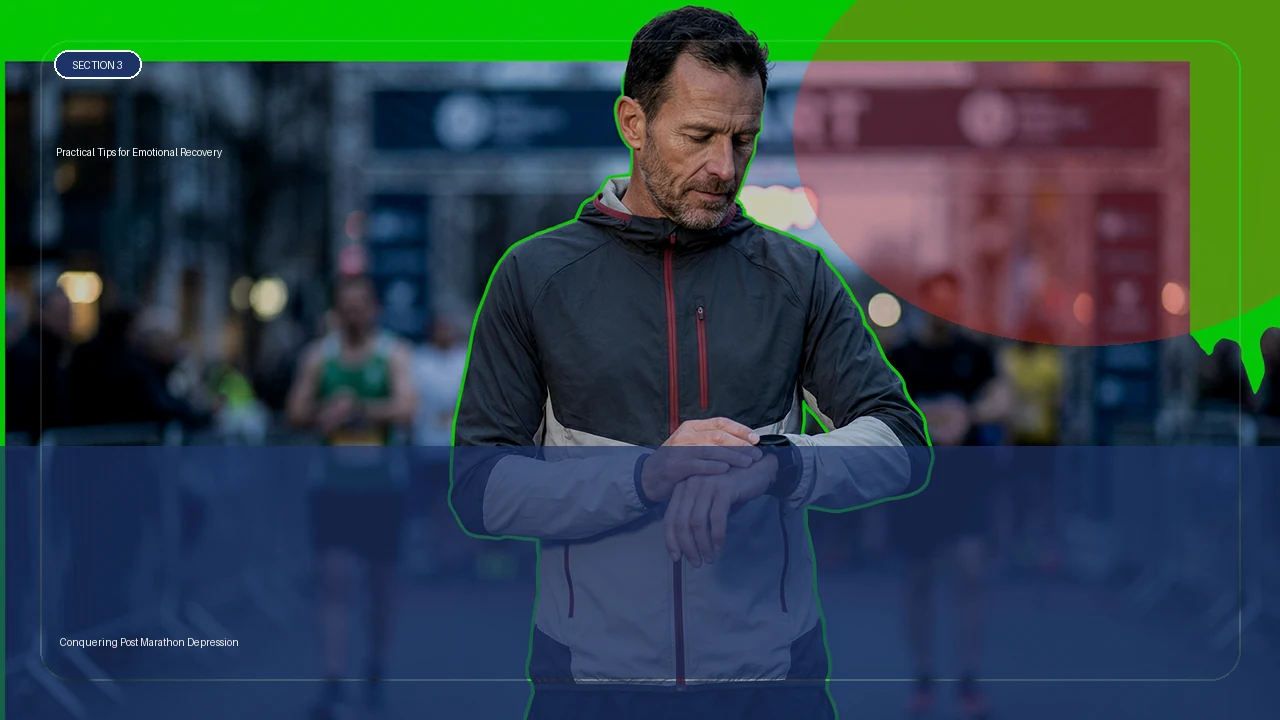
Engaging in enjoyable activities can help alleviate feelings of post-marathon blues. Other important strategies include:
- Setting a positive narrative around your marathon experience for emotional recovery.
- Understanding the importance of systems in achieving goals, as they can lead to better long-term results.
- Joining community running groups to provide ongoing encouragement and accountability.
For example, after finishing a marathon, a runner might set a new goal such as training for a shorter race or join a local running club to stay connected and motivated. These concrete steps can make recovery more manageable and purposeful.
Engaging with running communities enhances motivation and provides emotional support during recovery. Let’s explore some practical tips for emotional recovery that can help you bounce back after a marathon.
Reflect on Your Achievement
Reflecting on your achievements boosts confidence and improves happiness after completing a marathon. Celebrating your success is important, regardless of any disappointments during the event. Analyzing your race performance experience can help identify strengths and areas for improvement.
Documenting your journey can reinforce positive memories and boost confidence. Whether it’s writing in a journal or sharing your story with others, reflecting on your achievement can help combat feelings of post-marathon depression.
Engage in Other Activities
Engaging in various activities post-marathon aids in emotional recovery. Trying different hobbies can alleviate post-race blues and enhance overall well-being. Varied physical activities can mitigate feelings of loss and provide a refreshing change.
Exploring new sports or hobbies rekindles joy outside of running. Whether it’s taking up cycling, swimming, or even a creative hobby like painting, diversifying your interests can be incredibly beneficial for your emotional health. Set your sights on a new ‘gold medal’—aim for personal bests or celebrate achievements in these new activities, no matter how big or small.
Physical Recovery Methods
Proper recovery after a marathon is vital for both physical and mental health. Sufficient recovery time is crucial for avoiding burnout and promoting long-term fitness. Post-marathon recovery involves addressing both emotional and physical challenges.
Gentle movement and activity matter for muscle health and overall recovery, even if you feel fatigued. Allowing for adequate rest enhances muscle repair and overall rejuvenation. Let’s dive into some specific physical recovery methods that can help you bounce back stronger.
Gentle Exercise
Incorporating light activities like stretching significantly aids in muscle recovery. Gradually reintroducing running, starting from short distances, is crucial post-marathon. Foam rolling, getting a massage, or using a massage gun are recommended methods for muscle care.
Delayed Onset Muscle Soreness (DOMS) peaks at 24-48 hours after exertion, indicating the body’s recovery phase. To aid leg recovery, elevate your legs and consider wearing compression socks. These gentle exercises can help you ease back into your routine without overexerting yourself.
Nutrition and Hydration
Proper hydration after a marathon restores fluid balance and maintains health. It’s recommended to:
- Drink 16-20 oz of water initially after finishing a marathon
- Drink another 16-20 oz of water within the next hour
- Consume fluids with electrolytes to help restore balance and prevent dehydration.
Including carbohydrates and proteins in post-race meals supports muscle recovery and replenishes energy. A recommended protein source for post-race recovery is plant-based protein. Combining proper hydration and balanced nutrition is vital for overall recovery.
The Role of a Coach in Recovery
Consulting a coach to determine your individual recovery plan is vital. Coaches provide personalized plans and ongoing support tailored to your unique needs. Communication between coaches and physical therapists ensures a coherent recovery plan.
Ways to support injury athletes include:
- Involving them in non-physical team activities to help mitigate feelings of isolation.
- Setting short-term goals to help them stay motivated during their lengthy rehabilitation process.
- Providing a coach’s support, which can make all the difference in their recovery journey.
When to Seek Professional Help
Post marathon depression can manifest in various ways, and recognizing its signs early is vital for recovery. If feelings of depression persist or worsen, it may indicate a more serious issue requiring professional help. Consult a healthcare provider if feelings of depression do not improve within a few weeks.
Seeking mental health support can provide athletes with strategies and tools to effectively manage their emotional well-being. Don’t hesitate to reach out for help if you need it; early intervention can significantly improve your recovery.
Summary
Post marathon depression is a common phenomenon that many runners experience. Understanding its causes, duration, and effective strategies for recovery is crucial for overcoming the post marathon blues. By embracing rest, setting new goals, staying connected, and seeking professional help when needed, you can conquer these feelings and move forward with confidence. Remember, recovery is a journey, and with the right support and strategies, you can stride confidently toward your next adventure.
Frequently Asked Questions
What is post marathon depression?
Post marathon depression hits when you feel emotionally flat after the thrill of finishing a race, largely because you’ve lost that sense of structure and purpose. It’s normal to experience these feelings; just give yourself time to adjust.
How long does post marathon depression last?
Post-marathon depression usually kicks in the day after your race and can last from a few days to a few weeks, particularly if you’re dealing with other stressors in life. It’s totally normal to feel this way!
What are some effective strategies to overcome post marathon depression?
To overcome post-marathon depression, embrace rest and recovery while setting new goals and staying connected with friends and the running community. Engaging in activities you enjoy can also help lift your spirits!
When should I seek professional help for post marathon depression?
If you’re feeling persistently down after the marathon, especially if you’re facing fatigue, changes in appetite, or even thoughts of self-harm, it’s time to reach out for professional help. Don’t hesitate; your well-being is important!
How can a coach help in the recovery process?
A coach can be a game-changer in recovery by creating tailored recovery plans and offering continuous support. Keeping athletes motivated through short-term goals also helps them stay connected to their team during rehabilitation.