
If you’ve ever stared at your sixth energy gel packet during a long run or any endurance event—including races and extended training sessions—and felt your stomach turn at the thought of swallowing another sticky-sweet mouthful, you’re not alone. Palate fatigue is a predictable sensory response that affects many runners during efforts lasting 90 minutes or more. The good news? You don’t need to force down gels to fuel effectively.
Introduction to Long Run Nutrition
Long run nutrition is the backbone of successful endurance training, providing the energy your body needs to perform at its best over many hours. Most runners know that consuming calories during long runs is essential to maintain energy and avoid the dreaded “bonk,” but finding the right foods can be a challenge—especially when stomach issues like cramps, nausea, or diarrhea threaten to derail your efforts.
Carbohydrates are the primary fuel source for your muscles during long runs, as they’re quickly broken down into simple sugars and absorbed into the bloodstream for a rapid energy boost. While energy gels and sports drinks are popular choices for delivering these quick carbs, many runners find that relying solely on sweet, sticky products can lead to palate fatigue and digestive discomfort. That’s why a growing number of ultra runners and endurance athletes are turning to alternatives like baby food pouches, nut butter packets, and even pickle juice to keep their fueling strategy fresh and easy to digest.
Solid foods such as rice balls, boiled potatoes, and white bread can also play a valuable role in your nutrition plan, offering variety in both flavor and texture. The key is to choose foods that are gentle on the stomach, provide steady energy, and fit your personal preferences. By experimenting with different options and listening to your body, you can develop a fueling strategy that supports your performance, minimizes stomach issues, and keeps you energized from start to finish.
Quick Answer: What to Eat on Long Runs If You’re Over Gels
Palate fatigue—sometimes called taste burnout or taste satiation—happens when repeated consumption of the same flavor and texture leads to diminished appetite despite genuine energy needs. This phenomenon is well-documented in endurance sports, particularly in events lasting three or more hours where athletes consume gels every 20-30 minutes. It’s not a personal weakness; it’s how your sensory system responds to monotony.
Most runners can meet typical carbohydrate guidelines (approximately 30-90 grams per hour depending on duration and intensity) using real foods, sports drinks, and less-sweet sports products instead of gels exclusively. The key is variety in flavor, texture, and temperature.
Real-world examples of gel-free fueling:
- Marathon runners using rice balls with soy sauce and small boiled potatoes alongside sports drinks
- Ultra runners at Western States 100 switching to bone broth, sticky rice, mashed potato, and cola at aid station stops
- Trail athletes carrying nut butter packets, pretzels, and baby food pouches for easy to digest calories
| Fuel Option | Approx. Carbs/Hour | Palate Profile |
|---|---|---|
| Standard energy gel (2 packets) | 40-50g | Very sweet, sticky |
| Dried fruit + pretzels | 35-45g | Sweet + salty contrast |
| Rice ball + sports drink | 60-75g | Neutral/savory + mild sweet |
The goal isn’t to abandon gels entirely—it’s to build a fueling strategy with enough variety that you can continue eating when your body needs more carbs. Experiment in training, stay within evidence-based guidelines, and find what works for your body.

Understanding Long Run Fueling (Without Drowning in Gels)
During long runs exceeding 60-90 minutes, your muscle glycogen gradually depletes and external carbohydrate intake helps maintain pace and reduce perceived effort. Your body can only store limited glycogen, making consuming calories during extended exercise essential for athletic performance.
Current consensus-type guidelines suggest:
- 1-2.5 hours: approximately 30-60 grams of carbohydrates per hour
- 2.5-4+ hours: approximately 60-90 grams per hour for higher intensity efforts
Research from endurance nutrition reviews underpins these ranges, but individual tolerance varies significantly based on fitness level, intensity, gastrointestinal sensitivity, and environmental conditions. Fructose, a common sugar in sports nutrition products, can cause stomach problems for some individuals, particularly those who are intolerant to it. These are guidelines, not rigid prescriptions.
Key principles for fueling flexibility:
- Carbs can come from multiple sources: liquid calories, chews, solid foods, and gels
- Mixing textures and flavors reduces palate fatigue over many hours
- Exercise performance improves when blood glucose levels remain stable
- Your primary fuel source during endurance activities should be carbohydrates, though the delivery method is personal preference
Intensity matters significantly. During higher intensity marathon-pace workouts, blood is distributed away from the gut toward working muscles, potentially causing stomach issues. Slower-paced easy trail runs often tolerate more solid foods and greater variety.
Why Gels Get So Hard to Swallow: Palate Fatigue Explained
Palate fatigue is the reduced desire or ability to keep eating a particular flavor or texture after repeated exposure. In long races lasting 3-10+ hours, this becomes a genuine performance problem. Very sweet, sticky gels taken every 20-30 minutes start to feel cloying, leading to under-fueling even when energy needs remain high.
Contributing factors include:
- Sweetness intensity from refined sugars and maltodextrin
- Lack of variety creating sensory monotony
- Dry mouth from breathing effort during exertion
- Mild nausea from sustained exercise
- Sticky, consistent mouthfeel triggering satiety cues unrelated to actual energy needs
Ultramarathon observation provides informal evidence of this phenomenon. At 100-mile events, runners frequently switch from gels to broth, potatoes, sandwiches, and cola late in the race—not because these foods are scientifically superior, but because they’re actually palatable after consuming dozens of sweet items.
Palate fatigue is a predictable sensory response that can be systematically managed through planning and variety. Understanding this helps you build long run nutrition ideas that work over the duration of your event.
Carb Targets in Practice: What 30-90 g/hour Actually Looks Like
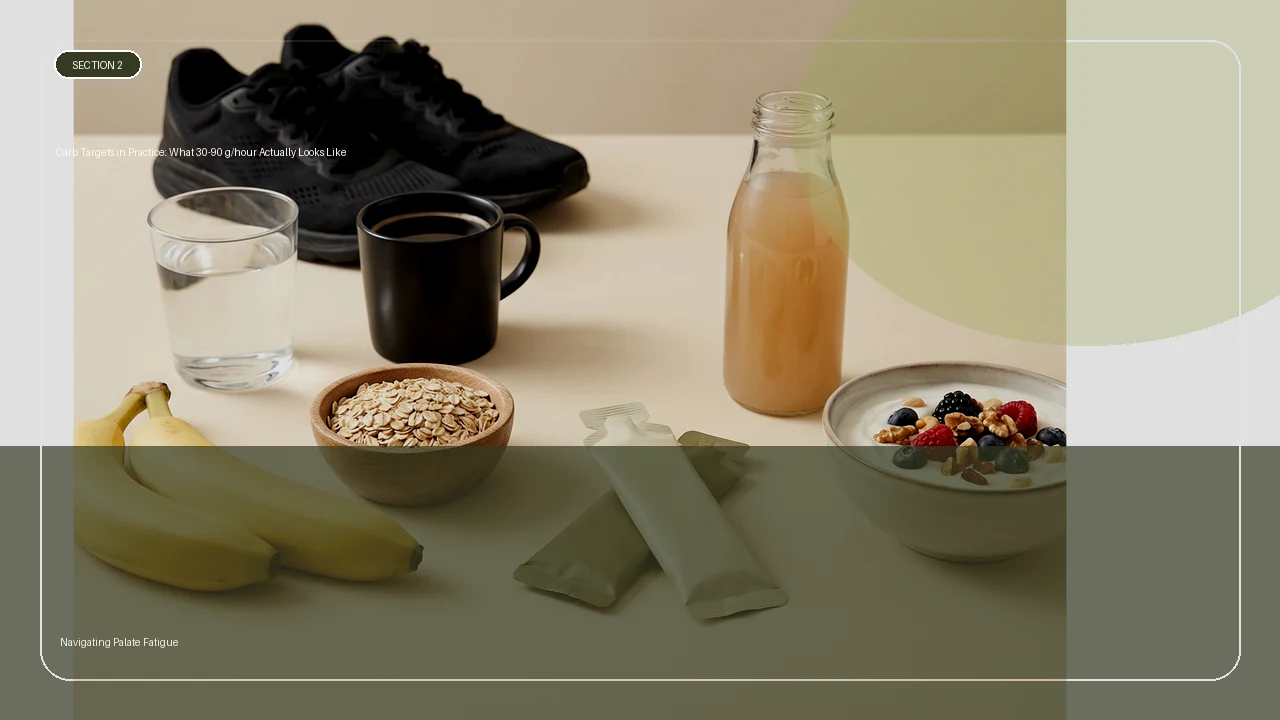
Runners often underestimate how much real food equals a gel’s 20-25 grams of quick carbs. Here’s what hitting common carbohydrate targets looks like with whole foods:
30-40g carbs per hour:
- 1 medium banana
- 2 Medjool dates
- 1 mini box of raisins (approximately 33g carbs)
45-60g carbs per hour:
- 1 fig bar + small handful of pretzels
- Small serving of applesauce pouch + a few jelly babies
60-75g carbs per hour:
- 1 rice ball (about 1/2 cup cooked white rice) + 250ml sports drink
- Quarter PB&J on white bread + fruit chews
| Food | Approximate Carbs | Notes |
|---|---|---|
| Medium banana | 27g | Soft, easy to digest |
| 2 Medjool dates | 32g | Natural glucose/fructose |
| Mini raisin box | 33g | Portable, no mess |
| Small boiled potato | 15-20g | Neutral flavor, needs salt |
| Fig bar | 20-22g | Moderate fiber |
| Applesauce pouch | 12-15g | Works like baby food |
| Quarter PB&J (white bread) | 20-25g | Adds nut butter for staying power |
Combining 2-3 smaller items every hour instead of one large item helps both the gut and the palate. Start at the lower end of ranges during your next long run and gradually adjust based on how your body responds.
Building a Long Run Fueling Plan That Doesn’t Rely on Gels
Creating a systematic fueling plan for a typical 2-5 hour effort helps you stay ahead of energy needs without gel overload. Here’s a step-by-step approach:
Step 1: Estimate run duration and intensity A 2-hour marathon-pace workout has different demands than a 4-hour easy trail run. Higher intensity means you may need to eat more but tolerate less variety.
Step 2: Choose a carb/hour target range Use the guidelines above as a starting point. For a half marathon pace workout, 30-45g/hour may suffice. For longer ultra races, you might target 60-80g/hour.
Step 3: Divide target into 3-4 mini-feeds per hour Aim for approximately 15-25g every 15-20 minutes rather than large boluses that spike blood sugar then crash.
Step 4: Populate feeding slots with varied foods Include at least two flavors and two textures per hour. Example: one drink providing liquid calories plus one chewy or soft option.
Step 5: Decide how to carry it Vest pockets, belt, handheld bottle, drop bags, or crew support at aid station locations all work depending on your event.
Create a written fueling card or note on your watch with timing reminders:
- 00:20: half fig bar
- 00:40: sports drink sips
- 01:00: dates + pretzels
- 01:20: applesauce pouch
Test this plan in at least 2-3 training sessions before race day, adjusting based on gut feedback and taste preferences.
Real Food Ideas: Sweet, Neutral, and Savory Options
Mixing sweet foods, neutral options, and savory bites helps maintain appetite and energy boost throughout long efforts. Here’s a comprehensive breakdown:
Sweet & easy options:
- Soft dried fruits: dates, apricots, raisins in small portions provide simple carbohydrates with natural glucose and fructose
- Applesauce or fruit puree pouches, including baby food pouches which are perfectly sized and easy to digest
- Fruit chews or natural-style fruit snacks
- Fig bars or cereal bars with moderate fiber (look for less fibre if you have sensitive stomachs)
- Honey packets—the “original energy gel” used by athletes since ancient Greek Olympics
Neutral or mild options:
- Rice balls with soy sauce wrapped in plastic or seaweed—preferred by many endurance athletes
- Small boiled potatoes or baked sweet potato pieces with a pinch of salt
- Plain white bread or sourdough quarters with thin jam or nut butter spread
- Lightly flavored rice cakes or plain crackers
- Mashed potato in small containers (yes, really)
Salty & savory options:
- Pretzels or salted crackers for quick carbs with sodium
- Small amounts of potato chips or tortilla chips
- Sips of warm bone broth at aid stations in cold races
- Small rice + egg or rice + cheese bites for slower ultras
- Pork pies or baked beans for Death Valley-style ultra runners who need to eat substantial food
- Pickle juice for those craving salt and dealing with muscle cramps

Homemade Fuel Options for the Long Run
For many runners, especially those with sensitive stomachs, homemade fuel options can be a true game changer. Making your own snacks allows you to control exactly what goes into your body, helping you avoid the refined sugars and artificial ingredients often found in commercial energy gels and sports drinks. By using real foods, you can tailor your fuel to your taste preferences and dietary needs, reducing the risk of stomach issues during long runs.
Popular homemade options include energy balls made with nut butter, honey, and oats—these provide a steady energy boost thanks to their mix of carbohydrates, healthy fats, and a touch of protein. Another favorite among many runners is homemade energy gels, which can be made by blending fruit puree with honey or maple syrup for a natural, easy-to-digest source of quick carbs. These foods are not only gentle on the stomach but also offer a more satisfying texture and flavor variety compared to standard energy gels.
Experimenting with homemade fuel can help you discover what works best for your body, making your fueling strategy more enjoyable and effective. Whether you’re prepping for a half marathon or a long training session, bringing your own real foods can help you stay energized and avoid the dreaded mid-run stomach issues.
Nutrient-Dense Fuels: Maximizing Nutrition Per Bite
When you’re out on the trail or road for hours, every bite counts. Nutrient-dense fuels are a smart way to maximize your energy intake without overloading your stomach. Foods like sweet potatoes, baked beans, and boiled potatoes are packed with complex carbohydrates, providing a steady release of energy to keep you moving strong during long runs.
Nut butter packets and homemade energy balls are also excellent choices, delivering a combination of healthy fats and protein that can help sustain energy and support muscle repair. These options are easy to carry and can be eaten on the go, making them ideal for endurance activities.
Don’t overlook the power of savory options like pickle juice and bone broth. Pickle juice is a favorite among ultra runners for its ability to quickly replenish sodium and help prevent muscle cramps, while bone broth offers both hydration and a dose of electrolytes. By incorporating a mix of these nutrient-dense foods into your fueling strategy, you’ll support your athletic performance and keep your energy levels steady throughout your run.
Managing Palate Fatigue: Variety, Timing, and Texture
The goal is staying ahead of palate fatigue by rotating options before anything becomes disgusting. Waiting until you can’t stomach another gel means you’ve already under-fueled.
Rotation strategies:
- Rotate flavors every 30-45 minutes: fruit-based option in one feeding, something salty or neutral in the next
- Alternate textures (liquid, soft, chewy, crunchy) to keep the mouth feeling fresher
- Avoid consuming the same way every single feeding
Palate reset foods to include:
- A few sips of plain water after sweet energy drinks
- A salty cracker or pretzel after fruit snacks
- Small piece of citrus like orange slices at aid stations
- Plain crackers between chocolate chip cookies or sweet items
Cooler or slightly tart foods often feel more refreshing in late stages of warm events. Warm, savory items may be more appealing during cold, long runs. Plan for both scenarios.
Important: Don’t try anything completely new on race day. Every food in your plan should be tested during at least one training session first.
Hydration, Electrolytes, and Taste: Keeping Drinks Palatable
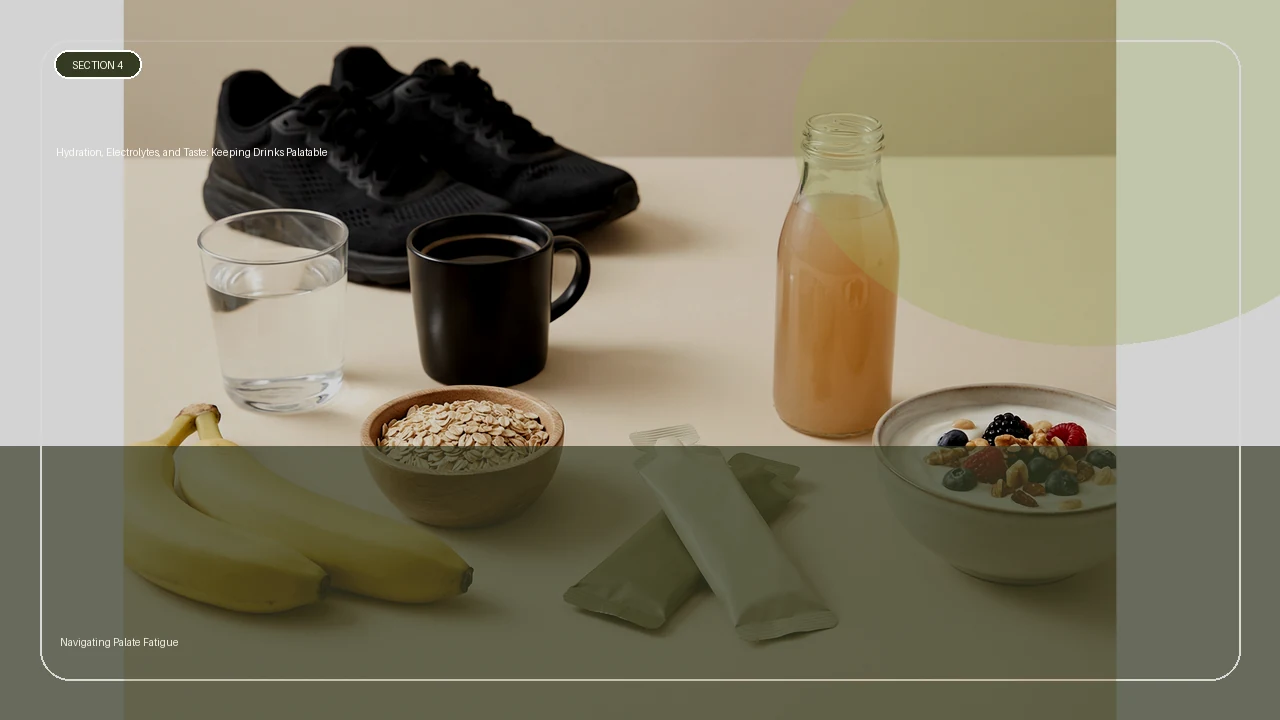
Fluids and electrolytes matter as much as solid fuel, and drink flavor strongly influences how much runners actually consume. Research consistently shows exercise performance declines with significant dehydration, though exact targets vary by individual and environment.
Drink palatability strategies:
- Use lighter-flavored sports drinks on hot days when sweetness becomes overwhelming
- Consider unflavored or “naked” carbohydrate drink mixes when taste-sensitive
- Use separate electrolyte tablets in plain water when you prefer to chew your carbs
- Taste-test different concentrations (slightly diluting standard mixes) to find what’s palatable over 2-4 hours
Carrying both plain water and flavored drink allows you to rinse your mouth between sweet foods. This simple trick helps reset your palate and keeps more fluids appealing.
For runs requiring more carbs from liquid calories, products like Skratch Labs Super High-Carb (100g carbs per serving) or Tailwind (25g per serving) offer different concentration options. The three macronutrients—carbohydrates, protein, and fat—can all be delivered through drinks, but carbs from sports drinks remain most practical for most runners.
Phasing in Protein and Fat on Very Long Runs and Ultras
For shorter workouts and runs under approximately 3 hours, carbohydrates remain the primary focus. However, on longer efforts, some runners feel and perform better with small amounts of protein and fat providing fullness and sustained energy.
Modest, easy-to-digest options:
- Small bites of nut butter sandwich on white bread
- A few pieces of cheese or small portion of trail mix on slower ultras
- Soft-boiled or hard-boiled egg halves (test thoroughly in training)
- Pre packaged nut butter packets squeezed directly
These foods containing protein and amino acids digest more slowly than simple sugars. They work best in events where pace is slower—50km or 100-mile trail races where walk breaks are frequent. Higher fat foods may not suit high-intensity workouts or sensitive stomachs.
Add protein and fat gradually, and only once your carbohydrate basics are dialed in. The general rule: solve your carb delivery first, then layer in other macronutrients for very long efforts.
Sensitive Stomachs and GI Issues: Gentle Fueling Approaches
Nausea, cramps, and urgent bathroom stops are common in endurance events. Gentler fueling strategies help many runners cope with these challenges.
Characteristics of gentle options:
- Lower fiber (less fibre means faster gastric emptying)
- Lower fat content
- Moderate sweetness rather than extreme
- Soft textures easy to swallow when breathing hard
- Quick transit through the small intestine to the blood stream
Gentle fuel examples:
- Applesauce or fruit puree pouches
- White rice or mashed potato with a little salt
- Plain crackers or small bites of lightly salted white bread
- Lightly sweetened sports drinks sipped slowly rather than large gulps
- Baby food pouches designed for easy digestion
Experiment on easier training days first. Keep a brief log noting what you ate, timing, and any GI symptoms. Don’t make radical changes right before an event.
Note: Persistent or severe GI issues warrant conversation with a healthcare professional. This article provides general information, not medical advice for individual conditions.
Listening to Your Body: Adjusting Fueling in Real Time
No two runners are exactly alike, and your fueling needs can change from one long run to the next. That’s why it’s essential to listen to your body and adjust your fueling strategy in real time. Pay attention to how you’re feeling—if your energy starts to dip or you notice signs of low blood glucose, it may be time to reach for quick carbs like energy gels or sports drinks to rapidly restore blood glucose levels.
On the other hand, if you’re feeling full or experiencing stomach issues, consider switching to gentler options such as baby food pouches, mashed potato, or other easy-to-digest foods. These can help you continue eating without overwhelming your digestive system. Baby food and fruit pouches are especially popular for their smooth texture and mild flavor, making them a great choice when your stomach feels sensitive.
By tuning in to your body’s signals and being flexible with your fueling choices, you can optimize your energy intake and avoid common pitfalls. Remember, the best fueling strategy is one that adapts to your needs on the fly, helping you perform your best on every long run.
Caffeine, Taste, and Tolerance on Long Runs
Caffeine can enhance alertness and reduce perceived effort for many endurance athletes, but it adds another flavor, texture, and potential GI variable to manage. It’s entirely optional.
Forms of caffeine runners use:
- Caffeinated gels and chews
- Caffeinated drink mixes
- Flat cola at aid stations
- Coffee before early-morning long runs
Testing considerations:
- Does it increase nausea or jitteriness?
- How does the taste hold up over several hours?
- Does late-day caffeine disrupt sleep?
Mix caffeinated and non-caffeinated options in your plan. This prevents being forced to consume more caffeine just to meet carb goals once taste fatigue sets in with your caffeinated products. Widely cited guidelines suggest staying under approximately 400mg/day for most adults, but individual tolerance varies.
Heat, Cold, and Altitude: How Conditions Affect Taste and Intake
Environment changes both physiological needs and what sounds edible deep into a long run. Your fueling strategy should adapt accordingly.
Heat considerations: Appetite often drops and very sweet or heavy foods become harder to tolerate. Prioritize colder, higher-fluid options: chilled sports drink, watermelon at aid stations, or diluted juices. Plan smaller, more frequent bites and prioritize more fluids. A hot July marathon-pace workout may require mostly liquid calories with minimal solid foods.
Cold considerations: Thirst cues may be blunted, and cold gels or bars can become too hard to chew. Keep fuel in inner pockets close to your body. Use warm, savory items like broth or noodles if available. An early-morning winter long run benefits from denser, easy-to-chew snacks that won’t freeze.
Altitude considerations: Both fluid and carb needs can increase while GI comfort becomes more fragile. Micro-dose fuel: one chew at a time, small sips of drink. Practice this style at lower elevation first before your mountain event.

Common Fueling Mistakes to Avoid
Even experienced runners can fall into common fueling traps that impact their performance. One of the biggest mistakes is not consuming enough calories or carbohydrates during long runs, which can lead to a drop in blood sugar and a noticeable decline in athletic performance. It’s also easy to rely too heavily on simple sugars and refined carbohydrates, which may cause a rapid spike in blood glucose levels followed by an energy crash.
Another pitfall is eating too much fiber or fat during your run. While these nutrients are important in your overall diet, they can be harder to digest during exercise and may lead to stomach issues. Overdoing liquid calories—such as drinking too many energy drinks or sports drinks—can also upset your stomach and throw off your electrolyte balance.
To avoid these mistakes, focus on a balanced fueling strategy that includes a mix of carbohydrates, a moderate amount of protein and fat, and the right amount of fluids. Pay attention to how your body responds, and make adjustments as needed to keep your blood glucose stable and your energy high throughout your long runs.
Sample Long Run Menus (2, 3, and 4+ Hour Scenarios)
These are example frameworks showing how to hit broad carb targets while avoiding gel overload. Adapt based on your tested preferences.
2-hour moderate pace run (~30-45g carbs/hour): | Time | Fuel | Approx. Carbs | |——|——|—————| | 0:20 | Fruit pouch | 12g | | 0:40 | Sports drink sips | 15g | | 1:00 | 2 dates | 16g | | 1:20 | Sports drink | 15g | | 1:40 | Half fig bar | 11g |
3-hour long run (~45-60g carbs/hour): | Time | Fuel | Approx. Carbs | |——|——|—————| | 0:20 | Rice ball (small) | 20g | | 0:40 | Sports drink | 15g | | 1:00 | Pretzels + dates | 25g | | 1:20 | Applesauce pouch | 12g | | 1:40 | Sports drink | 15g | | 2:00 | Fig bar | 22g | | 2:20 | Banana half | 14g | | 2:40 | Sports drink | 15g |
4-5 hour easy trail run (~50-70g carbs/hour): Include neutral and savory options alongside sweet snacks. Rotate through boiled potatoes with salt, small sandwich pieces, rice balls, broth at aid stations, plus your preferred sweet options. Leave one or two backup foods in your vest in case something becomes unappealing—a game changer when palate fatigue hits at hour four.
Testing, Logging, and Adjusting Your Fueling Strategy
“Gut training” means gradually teaching your digestive system to handle more carbs and different foods at running intensity. This is a skill developed over weeks and months, not discovered on race morning.
Keep a simple fueling log for key long runs:
- Distance, time, weather, route difficulty
- What was eaten or drunk with rough timing and amounts
- Subjective notes: energy levels, GI symptoms, when palate fatigue appeared
- Blood glucose response if you track it
Refinement approach:
- Make one change at a time between long runs
- Swap one snack or adjust drink strength, then evaluate
- Build toward your personalized race day plan over several training blocks
Before an important race, review your accumulated data. Identify patterns: which foods consistently work, when you tend to need to eat more, what causes problems. This iterative approach within an evidence-informed framework leads to individualized, effective long run nutrition.
Reminder: Individual medical conditions, allergies, or restrictions should be discussed with an appropriate professional before major dietary changes during training.
Key Takeaways: Long Run Nutrition Ideas Beyond Gels
- You can meet common carb targets with a mix of sports drinks, real foods, and various sports products; energy gels are just one tool among many
- Palate fatigue is normal on long runs, and planning variety in flavor, texture, and temperature helps you continue eating when your body needs fuel
- Start practicing your non-gel fueling plan early in the training cycle and refine it gradually through testing and logging
- Adjust choices for conditions—heat, cold, and altitude all affect what sounds palatable and what your body can process
- Listen to both your taste buds and your stomach; the best fueling strategy is one you can actually execute for many hours
- Seek individualized advice from a qualified sports nutrition or healthcare professional if you have ongoing GI or medical concerns
Long run fueling is a skill that improves with practice. There’s plenty of room for personal preference and creativity within evidence-based guidelines. Your next long run is an opportunity to experiment—pack a few new options alongside your reliable standbys and see what works. The runners who fuel best aren’t necessarily those with the most sophisticated plans; they’re the ones who can actually eat what they’ve brought.
Conclusion
Long run nutrition doesn’t have to be a battle against your taste buds or your stomach. By embracing a variety of energy sources—beyond just energy gels—you can keep your energy levels steady, your blood glucose in check, and your appetite satisfied throughout even the longest endurance activities. Whether you’re reaching for baby food pouches, nut butter packets, sports drinks, or savory snacks like pickle juice and boiled potatoes, the most effective fueling strategy is one that you can actually stick with for many hours.
Remember, most runners benefit from practicing their nutrition plan during training, adjusting for what works best for their body and the demands of each run. Don’t be afraid to experiment with new foods, different textures, and a mix of sweet and savory options to find your personal game changer. Pay attention to how your body responds, and be flexible enough to adapt your approach as needed—especially when conditions or your own preferences change.
Ultimately, fueling for long runs is about more than just hitting a carb target; it’s about supporting your athletic performance, preventing stomach issues, and making sure you have the energy to finish strong. With a thoughtful, individualized approach, you’ll be ready to tackle your next half marathon, ultra race, or training session with confidence—and maybe even enjoy the process along the way. If you have ongoing GI or medical concerns, always consult a qualified professional to tailor your nutrition plan to your unique needs.