
Running puts your body through repeated stress, and what you eat plays a meaningful role in how well you recover. An anti-inflammatory diet built around whole foods, healthy fats, and nutrient-dense plants can help support your training and keep everyday inflammation in check.
This guide walks through the research, the specific foods that matter, and how to put it all together for your training week. Whether you’re preparing for a half-marathon or simply want to feel better on your daily runs, these evidence-based strategies offer a practical path forward.
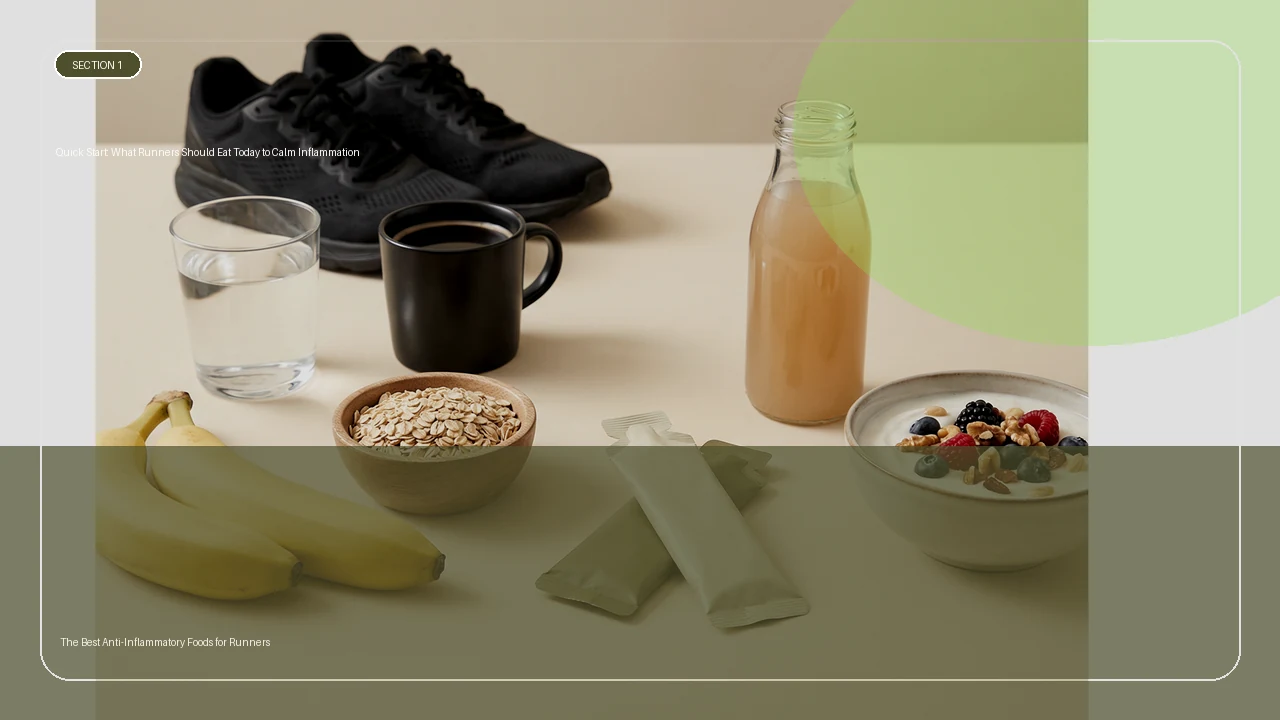
Quick Start: What Runners Should Eat Today to Calm Inflammation
Before diving into the science, here are immediate swaps you can make at your next meal. These foods are chosen because they are foods rich in antioxidants, omega 3 fatty acids, and polyphenols—compounds widely studied in sports nutrition research on inflammation and recovery.
Practical food swaps to try today:
- Replace sugary cereal with oatmeal topped with blueberries and walnuts
- Swap your post-run pastry for a tart cherry smoothie with spinach and yogurt
- Trade processed deli meat sandwiches for grilled salmon or sardines on whole-grain bread
- Switch from chips to a handful of almonds and an apple
- Use extra-virgin olive oil instead of butter or margarine when cooking
- Replace soda with water infused with lemon and fresh ginger
- Choose brown rice or quinoa over white rice with dinner
A sample 1-day low-inflammation menu for runners:
Start your morning with overnight oats made with chia seeds, fresh berries, a drizzle of honey, and a tablespoon of ground flaxseeds. For lunch, build a grain bowl using quinoa, roasted sweet potatoes, chickpeas, leafy greens, and a generous drizzle of olive oil with lemon. An afternoon snack might include plain Greek yogurt with a handful of walnuts and sliced banana. Finish the day with baked wild-caught salmon alongside roasted broccoli and Brussels sprouts, with a side of farro seasoned with garlic and fresh herbs.
This article is informational only. Runners with medical conditions or those taking medications should consult a healthcare professional or sports dietitian before making major dietary changes.
Understanding Inflammation in Runners
Some inflammation after workouts is completely normal—it’s part of how your body adapts and gets stronger. The challenge comes when that inflammation lingers or becomes chronic, making recovery harder and potentially affecting your training consistency.
Acute Inflammation: The Normal Training Response
Acute inflammation is short-term and adaptive. Think of sore calves after hill repeats, mild ankle swelling after a rolled step on a trail, or general muscle tenderness the day after your long run. This type of inflammation typically resolves within a few days and is part of the process your body uses to repair tissue and build fitness.
Research shows that intense running, such as marathons or trail ultras, can elevate inflammatory markers like interleukin-6 (IL-6) and C-reactive protein (CRP) by up to 50% immediately after training. This is expected and helps trigger the supercompensation process that makes you stronger over time.
Chronic, Systemic Inflammation: The Problematic Pattern
Chronic inflammation is different. It’s a persistent, low-grade “background” state that lingers between training sessions. Rather than serving a recovery purpose, it delays healing, heightens fatigue risk, and can make you feel like you’re never quite bouncing back.
This type of inflammation stems from multiple factors beyond training itself:
- Poor sleep quality and insufficient recovery time
- Excessive training volume without adequate rest
- High psychological stress
- Smoking and regular alcohol consumption
- Environmental pollution exposure
- Dietary patterns high in processed foods and added sugars
The Research Landscape
Sports science research since roughly the early 2010s has increasingly examined how dietary patterns influence inflammatory markers after endurance events. Studies on half-marathon and marathon runners have found that those following Mediterranean-style dietary patterns—high in plants, healthy fats, and fish—tend to show lower post-event CRP and IL-6 levels compared to those eating Western diets heavy in processed foods.
The aim of an anti-inflammatory diet for runners isn’t to eliminate normal training-related inflammation. Instead, it’s to support recovery and prevent that useful acute response from becoming excessive or persistent.
Key Principles of an Anti-Inflammatory Diet for Runners
Before listing specific foods, it helps to understand the big-picture rules that tie everything together. Research consistently points to whole-diet patterns rather than isolated superfoods when it comes to managing chronic inflammation effectively.
Principle 1: Emphasize Minimally Processed Plants
Vegetables, fruits, whole grains, legumes, nuts, and seeds should appear at most of your meals. These plant based foods provide fiber, antioxidants, and polyphenols that collectively support a healthy inflammatory response. Large trials like PREDIMED from the 2010s demonstrated that diets prioritizing minimally processed plants yield lower inflammatory profiles on average.
Principle 2: Choose Healthy Fats Over Refined Oils
Extra-virgin olive oil, avocado, nuts, seeds, and fatty fish deliver monounsaturated and polyunsaturated fatty acids that research links to healthier inflammatory markers. Meanwhile, trans fats (found in some fried and packaged foods) and excessive refined oils should be limited. The goal is to make healthy fats your default rather than an occasional addition.
Principle 3: Favor Lean and Fish-Based Proteins
While protein is essential for muscle repair, the source matters. Fish and lean proteins come with less inflammatory burden than frequent servings of processed meats like bacon, sausage, or deli slices. This aligns with sports nutrition guidance that supports muscle recovery while keeping overall inflammation lower.
Principle 4: Limit Added Sugars and Ultra-Processed Snacks
Pastries, candy, chips, fast food, and sugar-sweetened beverages are often associated with higher inflammatory markers in population studies. These items spike blood sugar and may contribute to metabolic stress that doesn’t serve your training. Keeping them occasional rather than daily helps maintain a better baseline.
Principle 5: Match Energy Intake to Training Load
Under-fueling is a common issue among endurance athletes, and it has consequences beyond performance. Observational data links chronic energy deficiency to elevated cortisol and inflammation, impairing adaptation. An anti-inflammatory diet must also be an adequately fueled diet—cutting calories too aggressively during heavy training weeks works against you.

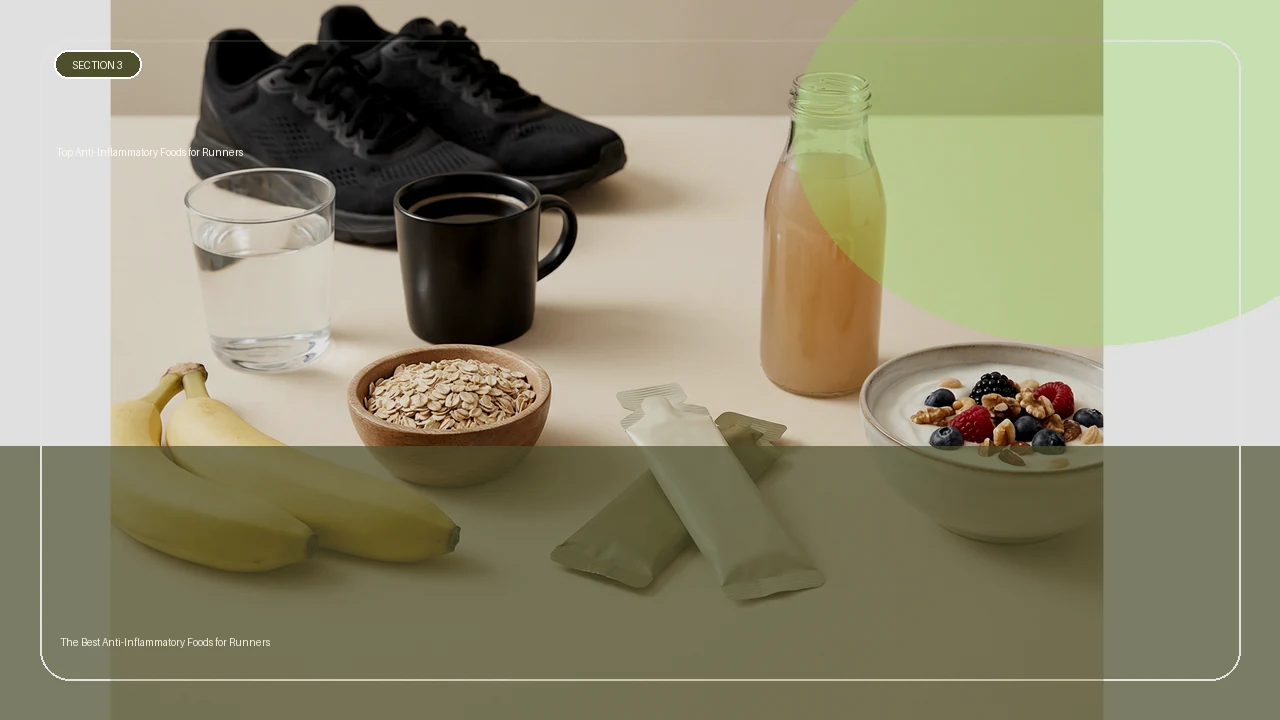
Top Anti-Inflammatory Foods for Runners
This section covers specific foods and why they’re particularly relevant for people who run regularly. Items here are selected based on human research where available—looking at antioxidant capacity, omega 3 content, polyphenol richness, and connections to recovery markers in athletes.
Individual responses vary, so consider this a starting point for experimentation rather than a rigid prescription. The following categories each earn their own detailed look:
- Fatty fish and other omega-3-rich foods
- Berries, tart cherries, and colorful fruits
- Leafy greens and cruciferous vegetables
- Whole grains and legumes
- Nuts, seeds, and other healthy fats
- Herbs and spices (turmeric, ginger, garlic)
- Fermented foods and yogurt
- Extra-virgin olive oil
Fatty Fish and Other Omega-3-Rich Foods
Omega-3 fatty acids—specifically eicosapentaenoic acid (EPA) and docosahexaenoic acid (DHA) from fish, along with alpha linolenic acid (ALA) from plants—are among the most researched nutrients related to inflammation and recovery. Omega-3 fatty acids are essential nutrients that your body cannot produce on its own, so they must be obtained from your diet. The length of the carbon chain (measured by the number of carbon atoms) and the number of double bonds distinguish different types of fatty acids, such as ALA, EPA, and DHA.
Fish is the best dietary source of omega-3 fatty acids, particularly fatty fish like salmon, mackerel, and sardines. Plant-based sources of omega-3s include flaxseeds, chia seeds, and walnuts, which provide alpha-linolenic acid (ALA). The body can convert ALA from plant sources into EPA and DHA, but this conversion is limited and not very efficient.
Omega-3 fatty acids play important roles in the structure of cell membranes and in the production of signaling molecules called eicosanoids. They are also concentrated in high levels in the cells of the eyes and brain. Omega-3s can help reduce inflammation in the body by inhibiting the production of inflammatory chemicals, and consuming omega-3 fatty acids can lead to the production of resolvins, which help fight inflammation. Higher concentrations of EPA and DHA can lead to less inflammatory activity in the body compared to omega-6 fatty acids.
Omega-3 fatty acids help lower triglyceride levels, which can reduce the risk of heart disease and stroke. Omega-3s have been shown to reduce the risk of cardiovascular disease and heart disease, and may be particularly beneficial for individuals with high cardiovascular risk, such as those with diabetes or elevated triglycerides—a risk factor for cardiovascular events. Omega-3 supplementation may reduce the risk of sudden death in patients with coronary artery disease or prior cardiac events. Omega-3s may also benefit individuals with rheumatoid arthritis by reducing joint inflammation and pain. Public health agencies recommend regular seafood consumption to promote maternal and infant health.
Why Fatty Fish Matters
Cold water fatty fish like wild salmon, sardines, mackerel, herring, and trout are the most concentrated food sources of EPA and DHA. When you consume these fatty acids, they become incorporated into cell membranes throughout your body. From there, they influence signaling molecules called resolvins and protectins that help resolve inflammation rather than perpetuate it.
Wild caught salmon is typically in season from late spring through early fall in many regions, while sardines and mackerel are available year-round in canned form. Wild caught fish generally offers a favorable omega-3 profile, though both wild and responsibly farmed options can fit an anti-inflammatory pattern.
The American Heart Association recommends at least two 3-4 ounce servings of fish per week for overall cardiometabolic health and cardiovascular health. Runners can use this as a baseline guide, potentially increasing intake during heavy training blocks when recovery demands are higher.
Plant-Based Omega-3 Sources
For runners who avoid fish, plant based sources provide ALA:
| Food Source | ALA Content | Notes |
|---|---|---|
| Ground flaxseeds | 2.3g per tablespoon | Best absorbed when ground |
| Chia seeds | 5g per ounce | Easy to add to oatmeal or smoothies |
| Walnuts | 2.5g per ounce | Also provides vitamin e |
| Hemp seeds | 2.5g per ounce | Complete protein source |
| Canola oil | 1.3g per tablespoon | Neutral flavor for cooking |
The body converts ALA to EPA and DHA inefficiently—typically only 5-10%—but studies on high-intensity training still show that plant omega-3 sources can reduce soreness by 20-35% in some populations.
Runner-Specific Meal Ideas
- Post-long-run recovery bowl: grilled salmon over quinoa with roasted vegetables and olive oil
- Quick weeknight option: sardines on whole-grain toast with avocado and arugula
- Pre-race evening meal: walnut and lentil salad with mixed greens
- Easy breakfast: chia pudding made with almond milk, topped with berries and hemp seeds
A Note on Supplements
Fish oil supplements and algal oil (plant-based) are widely used by athletes, and taking fish oil supplements is common among endurance runners. Fish oil pills provide concentrated EPA and DHA, often in triglyceride form or ethyl esters. However, dosage matters—too much can cause stomach upset, abdominal pain, or interact with blood-thinning medications.
Oil supplements, including fish oil, fall under dietary supplements and are not regulated as strictly as medications. The National Institutes of Health recommends discussing any supplementation with a healthcare provider rather than self-prescribing for performance goals.

Berries, Tart Cherries, and Other Colorful Fruits
Deeply colored fruits—blueberries, blackberries, strawberries, raspberries, tart cherries, pomegranate, and red grapes—are rich in polyphenols and vitamin c, making them standouts among top anti inflammatory foods for athletes.
The Science of Anthocyanins
Anthocyanins are the pigments that give berries their deep red, blue, and purple colors. These compounds have antioxidant and anti inflammatory properties that have been widely studied in exercise recovery research since the 2010s.
Tart cherry juice has received particular attention. A 2024 study by Hurst and colleagues published in Frontiers examined tart cherry supplementation around intense exercise, finding dose-dependent effects on neutrophil preservation and reductions in malondialdehyde (MDA), a marker of oxidative stress. Other randomized trials have reported 10-20% reductions in muscle soreness after marathons when runners consumed 8-12 ounces of tart cherry juice daily.
However, not all studies replicate these findings—responses vary based on training status, dosage timing, and individual factors. The evidence is promising but not universal.
Practical Ways to Include More Berries
- Post-run smoothie: blend blueberries with spinach, Greek yogurt, and a banana within an hour of finishing
- Evening recovery: small glass of tart cherry juice during heavy training weeks, consumed before bed
- Breakfast boost: frozen berries warmed over oatmeal on tempo run days
- Race week: add pomegranate seeds to salads for extra polyphenols
Whole fruits, with their fiber and slower sugar release, are generally preferable to large amounts of juice for day-to-day intake. This is especially true for runners managing body weight or blood sugar stability.
Budget and Seasonal Considerations
Fresh berries can be expensive outside of peak season. Frozen options retain 90% or more of their nutrients and work perfectly in smoothies, oatmeal, or thawed over yogurt. Buying frozen is often more affordable and reduces waste.
Leafy Greens and Cruciferous Vegetables
Vegetables like spinach, kale, Swiss chard, arugula, broccoli, Brussels sprouts, and cauliflower consistently appear in observational studies linking high vegetable intake to better inflammatory profiles.
Nutrient Density for Runners
These vegetables provide:
- Vitamin c (spinach: 28mg per 100g; broccoli: even higher)
- Vitamin e and vitamin a precursors (carotenoids)
- Vitamin K, folate, and magnesium
- A variety of flavonoids and other antioxidants
Spinach’s antioxidant content helps combat free radicals generated from the eccentric muscle contractions of running, particularly during downhill sections or long efforts.
Cruciferous vegetables contain sulfur-containing compounds called glucosinolates, which have been investigated for potential anti-inflammatory and cellular protective effects. While research continues, including these vegetables regularly offers multiple health benefits beyond inflammation alone.
Runner-Friendly Preparation Ideas
- Pre-long-run breakfast: spinach folded into scrambled eggs or an omelet
- Post-workout lunch: kale or mixed greens as the base for a grain bowl with salmon and chickpeas
- Rest day dinner: roasted Brussels sprouts with olive oil and balsamic glaze
- Recovery smoothie: handful of spinach blended with berries and yogurt (you won’t taste it)
Managing GI Comfort
High-fiber vegetables can cause digestive discomfort for some runners, especially close to workouts. Test larger portions on non-race days and consider shifting heavier vegetable intake to dinner rather than the meal before morning intervals.
Whole Grains and Legumes for Steady Energy
Runners need substantial carbohydrates for glycogen replenishment, and choosing whole sources over refined options may also support healthier inflammatory markers.
The Whole Grain Advantage
Specific whole grains to prioritize:
- Oats (10g fiber per cup cooked)
- Quinoa (complete protein, gluten-free)
- Brown rice
- Farro
- Barley
- Whole-wheat pasta
- Buckwheat (despite the name, it’s gluten-free)
Legumes complement whole grains beautifully:
- Lentils (cook quickly, high in protein)
- Chickpeas
- Black beans
- Kidney beans
- Split peas
These foods provide fiber, B vitamins, magnesium, and phytonutrients. Large cohort studies like the Nurses’ Health Study have associated higher whole grain intake with 20-30% lower CRP levels compared to diets high in refined grains.
Compared with refined grains, whole grains lead to more stable blood sugar responses. For runners, this means fewer energy crashes and reduced metabolic stress during demanding training cycles.
Practical Examples for Training Days
- Early morning runs: overnight oats with chia seeds and berries prepared the night before
- Post-workout lunch: brown rice and black bean burrito bowl with vegetables and salsa
- Recovery dinner: lentil soup with crusty whole-grain bread after a cold evening run
- Pre-race carb loading: farro risotto or whole-wheat pasta with olive oil and vegetables
For Runners with Gluten Sensitivity
If you have celiac disease or gluten sensitivity, naturally gluten-free whole grains work well:
- Quinoa
- Buckwheat
- Certified gluten-free oats
- Millet
- Brown rice
- Amaranth
Work with a healthcare professional or dietitian for tailored guidance on meeting carbohydrate needs while avoiding gluten.
Nuts, Seeds, and Other Healthy Fats
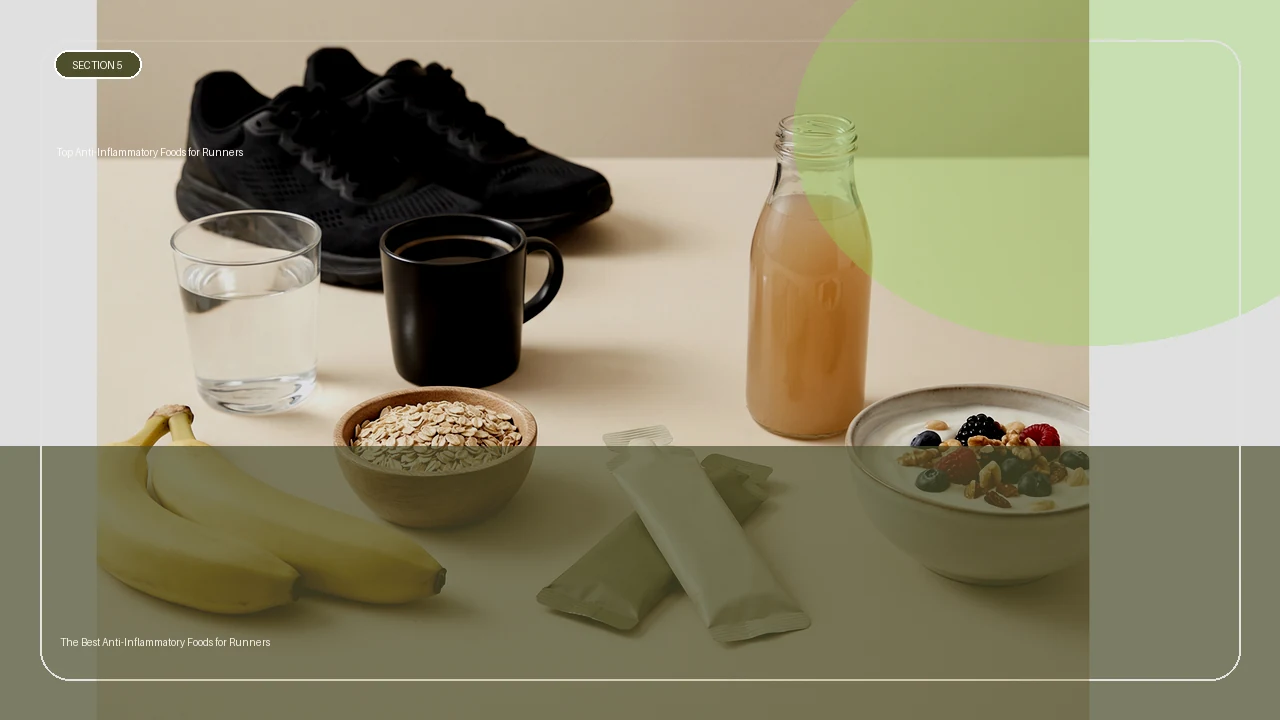
Nuts and seeds pack healthy fats, plant protein, minerals, and antioxidants in a small volume—making them ideal for busy runners who need nutrient density without bulk.
Key Options and Their Benefits
| Nut/Seed | Standout Nutrient | Runner Benefit |
|---|---|---|
| Walnuts | ALA (omega-3) | Supports recovery, brain health |
| Almonds | Vitamin E (7.3mg per oz) | Antioxidant protection |
| Pistachios | Potassium, vitamin B6 | Electrolyte support |
| Pumpkin seeds | Zinc, magnesium | Immune system support |
| Chia seeds | ALA, fiber | Sustained energy |
| Flaxseeds | ALA, lignans | Anti inflammatory compounds |
| Hemp seeds | Complete protein, ALA | Muscle repair |
Monounsaturated and polyunsaturated fats from these foods are central to Mediterranean-style patterns frequently associated with lower inflammation markers in research.
Simple Integration Ideas
- Small handful of mixed nuts as a recovery snack paired with fruit
- Ground flax or chia seeds stirred into yogurt or oatmeal each morning
- Nut butter on whole-grain toast 60-90 minutes before an easy run
- Trail mix with nuts, seeds, and dried fruit for long training runs
Because these foods are energy-dense, portion awareness matters for runners with specific body-composition goals. However, runners training hard should not fear fat—these calories support training adaptations and hormone function.
Herbs and Spices: Turmeric, Ginger, Garlic, and More
Culinary herbs and spices can modestly boost the anti-inflammatory potential of meals while adding flavor and reducing reliance on heavy sauces or excessive salt.
Turmeric and Curcumin
Turmeric root contains up to 3% curcumin, a compound that has been studied for its ability to inhibit NF-kB pathways—a key regulator of inflammatory responses. Research in both general and athletic populations suggests potential benefits, though effects depend heavily on dose, form, and individual factors.
Curcumin has relatively low bioavailability on its own. Pairing turmeric with black pepper (which contains piperine) enhances absorption substantially.
Ginger for Recovery
Ginger has a long history of use for digestive comfort and has been investigated in exercise settings for muscle soreness and inflammation markers. Some studies report meaningful benefit for reducing post-exercise soreness, though results are mixed.
Other Anti-Inflammatory Herbs and Spices
- Garlic: Contains diallyl sulfide and thiacremonone, compounds shown in research (Ban et al., 2009) to lower NF-kB activity
- Cinnamon: Adds sweetness without sugar, contains polyphenols
- Rosemary, oregano, and thyme: Mediterranean herbs rich in antioxidants
Simple Ways to Integrate
- Post-run golden milk: warm milk with turmeric, ginger, cinnamon, and black pepper
- Smoothie addition: fresh or powdered ginger and turmeric blended with fruit
- Stir-fries: generous fresh ginger and garlic as the aromatic base
- Roasted vegetables: rosemary and thyme with olive oil on potatoes and root vegetables
- Breakfast enhancement: cinnamon on oatmeal or in overnight oats
A Caution on Supplements
Turmeric supplements and concentrated curcumin extracts may interact with medications, particularly blood thinners, and could affect bleeding risk. These should be considered only under professional guidance rather than self-prescribed for athletic performance.
Fermented Foods and Gut-Healthy Choices
A diverse, balanced gut microbiome is increasingly recognized as one factor influencing inflammation and overall health, including in endurance athletes. Research published in Frontiers in Nutrition (2024) highlights how probiotics may improve intestinal epithelium integrity in athletes.
Fermented Foods with Live Cultures
Look for these options, stored properly to maintain live cultures:
- Yogurt with live active cultures (check the label)
- Kefir
- Unpasteurized sauerkraut (refrigerated section)
- Kimchi
- Miso
- Tempeh
- Certain kombuchas (look for “raw” or “live cultures”)
- Traditionally fermented pickles (not vinegar-pickled)
When selecting products, look for “live and active cultures” on labels, minimal added sugar, and refrigeration for items claiming probiotic content.
How Gut Bacteria Support Recovery
Beneficial gut bacteria help produce compounds like short-chain fatty acids from dietary fiber. These compounds may support gut barrier integrity and modulate inflammatory responses throughout the body. A healthy gut lining also prevents unwanted substances from entering the bloodstream and triggering immune reactions.
Prebiotic Foods: Feeding Your Good Bacteria
Prebiotics are fibers that feed beneficial gut bacteria:
- Onions and garlic
- Leeks and asparagus
- Bananas (especially slightly green)
- Oats and whole grains
- Legumes (beans, lentils)
Runner-Friendly Uses
- Breakfast: yogurt and fruit parfaits with granola and nuts
- Rest day lunch: tempeh stir-fry with vegetables and brown rice
- Post-training: small side of kimchi with rice and eggs
- Evening snack: kefir smoothie with banana and nut butter
Some runners with sensitive digestion or IBS-like symptoms may need individualized advice, as sudden large increases in fermented foods or fiber can cause discomfort. Start small and increase gradually.
Extra-Virgin Olive Oil as a Cornerstone Fat
Extra-virgin olive oil (EVOO) is a signature ingredient of Mediterranean-style dietary patterns frequently associated with favorable inflammatory profiles in large research studies.
The Research Behind EVOO
EVOO provides monounsaturated fat and polyphenols, including oleocanthal—a compound that researchers have found mimics some anti-inflammatory effects similar to ibuprofen. Large trials like PREDIMED (conducted in the early 2010s) reported beneficial cardiometabolic outcomes when EVOO was used generously in place of less healthy fats. The high-EVOO arm of that trial saw a 30% reduction in major adverse cardiovascular events.
While those studies weren’t conducted exclusively on runners, the general benefits for vascular health, blood pressure, and inflammation are relevant for endurance athletes who depend on cardiovascular efficiency.
Practical Tips for Using EVOO
- Use as your primary oil for low-to-medium-heat cooking (sautéing vegetables, eggs)
- Drizzle generously over cooked grains, vegetables, and salads
- Create simple vinaigrettes with olive oil, lemon juice, and herbs instead of creamy bottled dressings
- Finish dishes with a fresh drizzle for maximum flavor and polyphenol content
Storage Matters
To protect EVOO’s sensitive polyphenols and flavor:
- Store in a dark glass bottle
- Keep in a cool cupboard away from the stove
- Use within a few months of opening for best quality
Foods and Habits That May Promote Inflammation
What runners limit can matter as much as what they add, especially during heavy training blocks when recovery demands are highest.
Ultra-Processed Foods and Refined Ingredients
Pastries, candy, chips, fast food, and packaged snacks made with refined grains, added sugars, and certain fats are linked in observational studies to higher inflammatory markers—sometimes 50% higher CRP levels compared to whole-food diets.
These inflammatory foods often contain:
- Refined flours stripped of fiber and nutrients
- High fructose corn syrup and excessive added sugars
- Industrial seed oils high in omega-6 (soybean oil, corn oil) when used excessively
- Trans fats (now largely banned but still present in some products)
- Artificial additives and preservatives
Sugar-Sweetened Beverages
Soda, sweetened teas, and energy drinks with high added sugar can spike IL-6 and contribute to metabolic stress. Outside of specific race-day or long-run fueling contexts where quick energy is needed, these are best kept occasional.
Processed Meats
Bacon, sausage, hot dogs, and processed deli meats form compounds called advanced glycation end-products (AGEs) during processing and cooking. These associate with higher CRP in population studies. Keeping them occasional rather than daily serves runners better.
Red Meat Considerations
While unprocessed red meat isn’t inherently inflammatory in moderate amounts, frequent large servings may not offer the same benefits as fish or plant proteins. Balance is key—occasional red meat is fine for most runners, but it shouldn’t dominate the protein rotation.
Alcohol and Recovery
Regular heavy drinking increases inflammation and interferes with recovery. Alcohol disrupts sleep quality, impairs muscle protein synthesis, and can lead to dehydration. Moderation—or abstinence during key training phases—supports better outcomes.
The “Crowding Out” Approach
Rather than strict elimination that may feel unsustainable, focus on gradually replacing inflammatory foods with whole-food options. When you fill your plate with salmon, vegetables, and whole grains, there’s naturally less room for items that don’t serve your training.
Cooking Methods That Support an Anti-Inflammatory Pattern
How food is prepared affects its overall impact on health and inflammation-related pathways.
Preferred Cooking Methods
- Steaming vegetables (preserves nutrients, no added fat needed)
- Baking or roasting with olive oil at moderate temperatures
- Poaching fish in broth or water
- Pressure cooking (great for legumes and grains)
- Quick stir-frying with moderate heat and healthy oils
Methods to Limit
Frequent high-temperature charring—common with some grilling and deep-frying—can create compounds like heterocyclic amines that researchers study in connection with oxidative stress and inflammation.
Practical Tweaks
- Bake or air-fry potato wedges with olive oil instead of deep-frying
- Grill fish and vegetables lightly rather than heavily charring meats
- Make homemade dressings with olive oil, lemon, and herbs instead of creamy bottled sauces high in sugar and sodium
- When grilling, marinate meats in herbs and olive oil first (may reduce harmful compound formation)
Batch Cooking for Busy Weeks
Prep on lighter training days to make anti-inflammatory choices easier when you’re tired after hard workouts:
- Roast a large batch of vegetables on Sunday
- Cook a pot of whole grains (quinoa, brown rice, farro)
- Prepare beans or lentils in advance
- Portion nuts and seeds into grab-and-go containers
Putting It Together: Sample 7-Day Anti-Inflammatory Runner Meal Framework
This flexible framework shows how anti-inflammatory principles can look over an actual training week. It’s designed for a recreational half-marathon runner with the following schedule:
- Sunday: Long run (90+ minutes)
- Monday: Rest day
- Tuesday: Interval workout
- Wednesday: Easy run
- Thursday: Tempo run
- Friday: Rest or cross-training
- Saturday: Easy run
Adjust portions based on your individual needs. Increase carbohydrates and protein on demanding days; scale back slightly on rest days.
Day 1 (Sunday – Long Run Day)
- Breakfast: Oatmeal with banana, blueberries, walnuts, and a drizzle of honey (eaten 2-3 hours before run)
- Post-run snack: Tart cherry juice with Greek yogurt
- Lunch: Salmon salad with mixed greens, quinoa, olive oil dressing, and cherry tomatoes
- Dinner: Lentil stew with sweet potatoes, kale, and crusty whole-grain bread
- Evening snack: Cottage cheese with pineapple
Day 2 (Monday – Rest Day)
- Breakfast: Whole-grain toast with avocado and poached eggs
- Lunch: Chickpea and vegetable curry over brown rice
- Snack: Apple slices with almond butter
- Dinner: Baked mackerel with roasted Brussels sprouts and farro
- Evening: Herbal tea with fresh ginger
Day 3 (Tuesday – Intervals)
- Pre-workout: Banana with a small handful of almonds
- Breakfast (post-workout): Smoothie with spinach, berries, yogurt, ground flax, and almond milk
- Lunch: Turkey and vegetable wrap with hummus on whole-wheat tortilla
- Snack: Mixed nuts and dried cherries
- Dinner: Grilled salmon with quinoa and roasted broccoli
Day 4 (Wednesday – Easy Run)
- Breakfast: Overnight oats with chia seeds, berries, and hemp seeds
- Lunch: Large salad with grilled chicken, walnuts, feta, vegetables, and olive oil
- Snack: Kefir with granola
- Dinner: Black bean tacos with fresh salsa, cabbage slaw, and avocado
Day 5 (Thursday – Tempo Run)
- Pre-workout: Oatmeal with banana (eaten 90 minutes before)
- Post-run: Tart cherry smoothie with protein powder
- Lunch: Sardines on whole-grain bread with arugula and tomato
- Snack: Trail mix with walnuts, pumpkin seeds, and dark chocolate chips
- Dinner: Tempeh stir-fry with vegetables, ginger, garlic, and brown rice
Day 6 (Friday – Rest/Cross-Training)
- Breakfast: Greek yogurt parfait with granola, berries, and honey
- Lunch: Lentil soup with whole-grain crackers and side salad
- Snack: Carrot sticks with hummus
- Dinner: Baked trout with roasted root vegetables and olive oil
Day 7 (Saturday – Easy Run)
- Breakfast: Spinach and mushroom omelet with whole-grain toast
- Lunch: Grain bowl with farro, roasted chickpeas, vegetables, and tahini dressing
- Snack: Banana with peanut butter
- Dinner: Pasta with olive oil, garlic, white beans, spinach, and sun-dried tomatoes
This framework includes one fully plant-forward day (Thursday dinner with tempeh) and several meals that could easily become vegetarian by swapping fish for beans or tofu.
Runners with specific needs (low-FODMAP, food allergies, diabetes) should adapt this structure with professional guidance from a registered dietitian familiar with sports nutrition.
Hydration, Recovery, and Lifestyle Factors Beyond Food
Diet is one part of an overall anti-inflammatory approach to training. Several other factors significantly influence how well you recover and manage inflammation.
Hydration Fundamentals
Water serves as the foundation—most runners need 3-4 liters daily, with additional fluid on long or hot runs. Chronic mild dehydration can contribute to fatigue and physiological strain.
Strategic use of low-sugar electrolyte drinks makes sense for runs exceeding 90 minutes or in hot conditions. However, sugar-laden sports drinks aren’t necessary for shorter, easier efforts.
Sleep as Recovery Medicine
Sleep is a major regulator of recovery. Sports science and sleep research consistently link insufficient sleep to worsened recovery outcomes and unfavorable changes in inflammatory markers. Most runners benefit from 7-9 hours nightly, with quality mattering as much as quantity.
Research suggests that sleep deprivation can increase IL-6 levels and impair the resolution of training-related inflammation.
Stress Management
Chronic psychological stress raises cortisol levels, which can amplify inflammatory responses over time. Simple tools that complement an anti-inflammatory diet include:
- Breathing exercises (box breathing, 4-7-8 technique)
- Light stretching or yoga
- Time spent outdoors in nature
- Social connection and support
Basic Recovery Practices
Physical recovery supports inflammation resolution:
- Cool-downs after hard workouts (easy jogging, walking)
- Gentle mobility work and stretching
- Appropriate rest days without guilt
- Adequate fueling after intense efforts (don’t drastically under-eat)
All of these help the body resolve normal training-related inflammation rather than letting it accumulate.

Evidence Snapshot: What Research Says (and Doesn’t) About Anti-Inflammatory Diets for Runners
Interest in anti-inflammatory eating in sports has grown substantially since the 2010s, but important questions remain open.
Well-Supported Evidence
Most strong evidence comes from cardiometabolic and general health studies rather than athlete-specific trials:
- Mediterranean-style diets consistently show 20-30% reductions in inflammatory markers like CRP
- Higher fruit and vegetable intake associates with lower risk of chronic diseases
- Regular fish consumption correlates with better cardiovascular outcomes
- Whole grain intake links to lower triglyceride levels and improved metabolic markers
These benefits translate to runners because cardiovascular health and metabolic function directly affect training capacity and recovery.
Promising But Evolving
Sports-specific interventions have produced mixed but sometimes encouraging results:
- Tart cherry juice: Some trials show 10-20% soreness reduction and lower oxidative stress markers; others find no significant effect
- Omega-3 supplementation: Studies suggest potential for less joint pain and reduced muscle soreness, though effect sizes vary
- Curcumin: Small studies report benefits, but bioavailability challenges limit conclusions
- Berry concentrates: Promising antioxidant effects, ongoing research
A 2024 Frontiers in Nutrition editorial highlights continued interest in blackcurrant anthocyanin interventions and gut microbiota modulation for elite performance.
What Remains Unclear
No single food or supplement has been proven to dramatically transform performance or prevent injuries. Effect sizes in sports nutrition studies are often modest, and individual responses vary considerably.
Some runners report feeling significantly better with anti-inflammatory dietary changes; others notice little difference. Genetics, training status, baseline diet quality, and other factors all play roles.
The Bottom Line
View anti-inflammatory diets as a sustainable, whole-diet approach to support general health and recovery—not as a cure-all or replacement for proper training structure, medical care, or rehabilitation when needed.
For runners interested in deeper research, systematic reviews and position stands from sports nutrition bodies published in the 2010s and 2020s offer more technical detail on specific nutrients and interventions.
Practical Tips for Making Anti-Inflammatory Eating Stick
The best diet is one you can maintain during busy weeks and demanding training cycles. Here’s how to build lasting habits rather than pursuing short-term perfection.
Build a Core Rotation of Go-To Meals
Identify 2-3 standard breakfasts, lunches, and dinners that meet anti-inflammatory criteria and that you genuinely enjoy. Having defaults reduces decision fatigue when you’re tired after training.
Examples:
- Breakfast: overnight oats with berries and nuts (can prep multiple portions)
- Lunch: grain bowl template (grain + vegetable + protein + olive oil)
- Dinner: baked fish with roasted vegetables rotation
Stock Your Kitchen for Success
Keep these items on hand for easy access:
- Frozen vegetables and berries (just as nutritious as fresh)
- Canned fish like sardines or wild salmon ($1-2 per can, budget-friendly)
- Whole grains in bulk (oats, quinoa, brown rice)
- Nuts and seeds in visible containers for quick snacking
- Extra-virgin olive oil as your primary cooking fat
- Fresh or powdered ginger and turmeric
Start Small and Specific
Rather than overhauling everything at once, try specific two-week goals:
- “Add one serving of vegetables to lunch every day”
- “Swap one sugary drink for water or herbal tea daily”
- “Include fatty fish twice this week”
Reassess after two weeks, note how you feel, and adjust accordingly.
Budget-Friendly Strategies
Anti-inflammatory eating doesn’t require expensive specialty foods:
- Buy seasonal produce for best prices
- Use frozen berries and vegetables year-round
- Choose canned fish packed in water or olive oil
- Purchase grains and beans in bulk bins
- Cook at home more often than eating out
Travel and Restaurant Strategies
Training doesn’t stop when you’re on the road:
At restaurants:
- Build anti-inflammatory plates by choosing fish or lean protein + vegetables + whole grain when available
- Request olive oil and vinegar for salads instead of creamy dressings
- Ask for vegetables instead of fries as a side
For race weekends:
- Pack portable snacks: nuts, dried fruit, oat-based bars, nut butter packets
- Bring overnight oats ingredients for hotel room breakfasts
- Research restaurant options near your race venue in advance
Track How You Feel
Rather than obsessing over specific foods, pay attention to your body over 2-4 weeks as you incorporate changes:
- How is your energy during and after runs?
- Are you recovering between sessions?
- How’s your sleep quality?
- Any changes in joint comfort or muscle soreness patterns?
This subjective feedback, combined with training performance, gives you practical data about what works for your body.
If you want more personalized guidance, working with a registered dietitian who specializes in sports nutrition can help you optimize your approach based on your specific training demands, health history, and goals.
Building an anti-inflammatory eating pattern is about sustainable habits over time, not perfection at every meal. The research consistently points toward whole foods, fatty fish, colorful plants, healthy fats like olive oil, and limiting highly processed options.
Start with one or two changes from this guide—maybe adding more berries and trying salmon twice a week. Pay attention to how you feel across your training. Small adjustments compound into meaningful differences over months and years of running.
Your body works hard to carry you through training and racing. Give it the fuel to fight inflammation and recover well.