
Running is one of the most accessible sports out there. Unlike cycling or swimming, you don’t need expensive equipment or a specific facility to get started. But walk into any running store or browse online, and you’ll find an overwhelming array of shoes, watches, compression gear, and tech accessories that can make it seem like you need a small fortune to hit the pavement.
The truth? Most runners can get started with surprisingly little. This guide breaks down what gear you really need to start running, what can wait until later, and how to build your kit as your weekly mileage and seasons change.
Quick-start: The absolute essentials for your first run
Here’s the reassuring news: you can lace up and head out the door with very little equipment. Many runners overthink their first few outings when the most important thing is simply getting moving. In 2026, with all the options available, this is what most beginners actually need.
Your true essentials:
- A pair of running shoes (more on choosing these below)
- Moisture-wicking socks that fit snugly
- A comfortable top and shorts or tights
- Some way to carry keys and phone (a small belt, armband, or pocket)
When starting out, there are other things to consider beyond just gear. New runners should follow a training plan that gradually increases mileage to avoid injury, and aim to run at a conversational pace to build endurance. Listen to your body and take rest days as needed to recover. Staying hydrated before, during, and after your runs is important. Consider joining a running group for motivation and support, set realistic goals to track your progress, and choose a running route that is safe and enjoyable to help you stick with your routine.
That’s genuinely it for your first few runs. GPS watches, fancy technical fabrics, and hydration packs are all optional when you’re getting started running. These items can add convenience and comfort as you progress, but they’re not gatekeepers to your first mile.

Running shoes: Your most important piece of gear
If there’s one place to invest thought and budget, it’s your shoes. They’re the critical interface between your body and the ground, handling shock absorption with every stride. A study of 848 recreational runners found that cushioning softness significantly affected injury risk—harder midsoles increased injury likelihood by approximately 52% compared to softer versions, particularly for lighter runners.
What makes running shoes different from your casual trainers? Several key features work together:
| Component | What It Does |
|---|---|
| Midsole foam | Provides cushioning and energy return. Modern foams like EVA foam, TPU-based materials (including ZoomX foam and similar PEBA compounds), and proprietary blends offer varying levels of responsiveness and weight. The thickness of this foam is referred to as ‘stack heights’—higher stack heights generally mean more cushioning and support, which can make shoes more versatile for different running paces and distances. |
| Heel-to-toe drop | The height difference from heel to forefoot. Traditional trainers sit around 8-12mm; minimal shoes may have 0-4mm. Research shows drop alone doesn’t reliably predict injury risk. |
| Outsole rubber | Provides traction and durability. Harder compounds last longer on roads; softer, textured soles work better on trail surfaces. |
| Upper | The fabric portion that wraps your foot. Look for secure heel counters and adequate toe box room. |
Practical buying advice: Visit a specialist running store where staff can assess your gait and let you test jog in several models. If shopping online, choose retailers with generous return policies so you can trial shoes at home on a treadmill or clean indoor surface.
A good beginner shoe in 2026 should feel cushioned but not excessively soft or unstable. Your heel should sit securely without slipping, your toes should have room to wiggle (about a thumb’s width from your longest toe to the front), and there should be no rubbing or hot spots during a short test run.
Neutral vs. stability shoes: Most runners do well in neutral shoes—designs that don’t attempt to redirect foot motion. Stability shoes include medial posting or firmer midsole sections for those told by a professional they benefit from extra support. If you haven’t been assessed, neutral is typically the safer starting point.
Sizing guidance: Feet swell during runs, so most runners size up about half a size from their everyday shoes. Try shoes later in the day when your feet are at their fullest, and wear the socks you’ll actually run in.

How to choose your first pair of running shoes
Selecting beginner running shoes doesn’t have to be a bit tricky if you follow a simple process:
- Decide your main surface. Will you primarily run on roads, a treadmill, or light trails? Road running shoes prioritize cushioning and durability on pavement. A trail shoe adds traction and protection for uneven terrain.
- Set a realistic budget. Mid-range shoes ($80–$140 / £70–£120) often hit the sweet spot between quality and value for new runners. You don’t need top-tier racing flats to start.
- Shortlist 3–4 models. Read reviews, ask running friends, or consult store staff. Look for shoes described as versatile daily trainers rather than race-focused or carbon-plated models.
- Try them on with your running socks. This ensures accurate fit assessment.
Fit checklist:
- No pinching at the widest part of your foot
- Heel doesn’t slip when you jog in place or on a treadmill
- Laces can be snug without creating pressure points
- Midfoot and arches feel supported but not unnaturally propped up
If you’re among first time marathoners, it’s especially important to choose beginner-friendly, cushioned shoes that offer comfort and support for longer distances. Focus on building your experience gradually before considering more advanced or specialized footwear.
Many case studies suggest beginners benefit more from comfort and a stable ride than speed-focused designs. Save the racing shoes for later when you have a better sense of your preferences.
Budget tip: Previous version models of popular shoe lines often deliver similar performance at a lower price. When a new update releases, the older version frequently gets discounted significantly.
When (and how often) to replace your running shoes
Running shoes don’t last forever. The cushioning gradually compresses with each mile, and foam materials lose their responsiveness over time.
General mileage guidelines:
- Daily trainers: approximately 300–500 miles (480–800 km)
- Racing flats or minimal shoes: closer to 250–300 miles due to thinner construction
But mileage isn’t the only indicator. Pay attention to feel:
- Increased soreness in shins, knees, or feet after runs you previously tolerated
- Midsole that feels flat or “dead” compared to when new
- Visible outsole wear, especially under the heel or forefoot edges
- Heel slipping or new friction points developing
Tracking your usage: Many running apps and watch platforms now let you tag specific shoes and track cumulative mileage per pair. Even a simple weekly log on paper or in phone notes works well. If you run 20 miles per week, expect shoes to last roughly 4–6 months. Lower mileage runners might get 8–12 months from a pair.
If budget allows, rotating in a new pair before the old one is completely worn out helps you compare feel and eases the transition. Some runners find that rotating between two pairs also extends the life of both, giving midsole foams time to recover between runs.
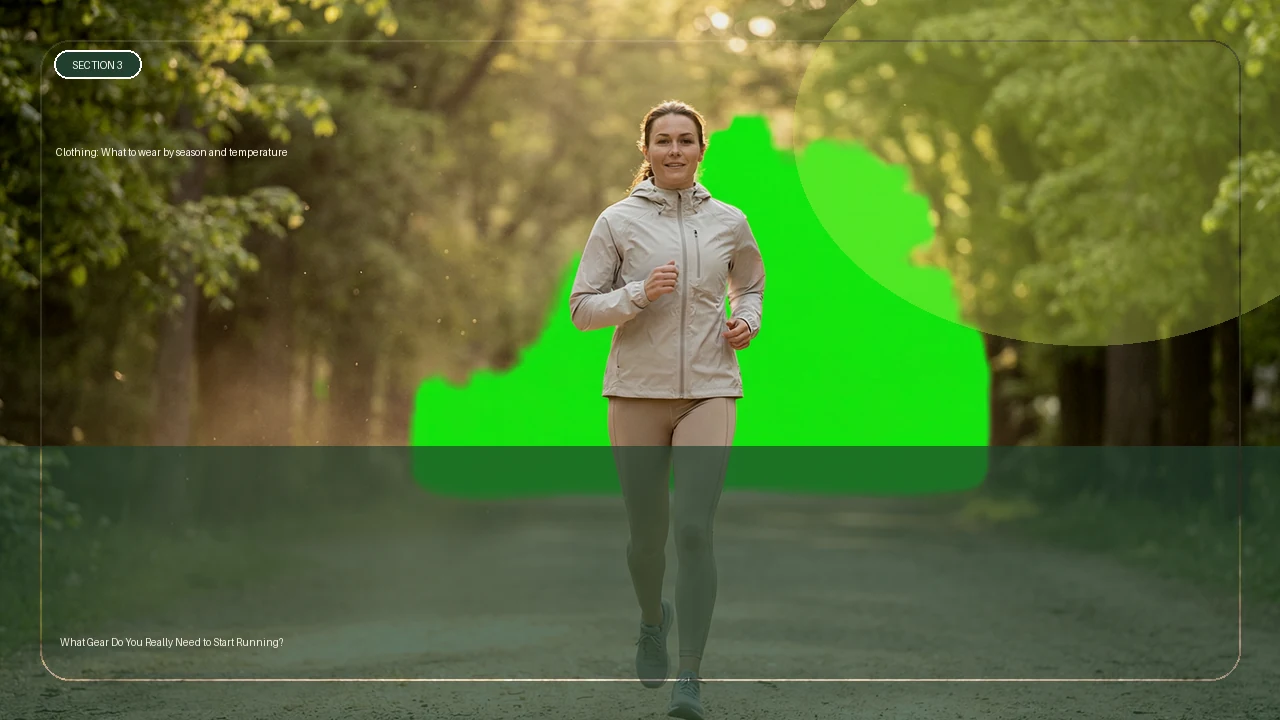
Clothing: What to wear by season and temperature
The general rule for running clothes: dress as if it’s about 10–20°F (5–10°C) warmer than the actual temperature. You’ll warm up quickly once you start moving, and overdressing leads to excessive sweating and discomfort.
Clothing essentials:
- Technical T-shirt or tank top
- Running shorts or tights
- Sports bra if needed
- Optional lightweight jacket for wind or light rain
- Hat and gloves for cold months
Why technical fabrics over cotton? Synthetic materials like polyester, nylon, and merino wool wick moisture away from your skin and dry faster. Cotton holds approximately three times more moisture and takes roughly ten times longer to dry—a recipe for chafing and discomfort, especially on longer runs.
Beginners don’t need premium race fabrics. Mid-priced basics with flat seams and soft waistbands perform very well and last through many wash cycles.
What to wear in warm and hot weather
When temperatures climb above roughly 60°F (15–16°C), your priority shifts to cooling and sun protection.
Warm weather essentials:
- Lightweight, breathable short-sleeve or tank top
- Running shorts with built-in liner
- Moisture-wicking socks
- Optional running cap and sunglasses
Look for mesh panels, ventilated backs, and lighter colors that reflect sunlight. Some fabrics are marketed as UPF/UV-protective, which can help on longer midday runs—though clothing isn’t a substitute for sunscreen on exposed skin.
Avoid heavy cotton and overly loose garments when it’s hot. These can cause chafing when soaked with sweat and trap heat against your body. A great option is a lightweight singlet with side vents that allows maximum airflow.
What to wear in cold, wet, and winter conditions
Cold weather running (near or below 40°F / 4–5°C) calls for layering. The principle: a base layer next to your skin, an insulating mid-layer, and a weather-resistant outer layer when wind or rain is a factor.
Cold weather outfit example:
- Thermal or brushed tights
- Long-sleeve technical top as base layer
- Light fleece or mid-layer for insulation
- Wind- or water-resistant shell for rain and wind protection
Don’t forget extremities: Your hands, ears, and feet lose heat faster than your core. Thin running gloves, a headband or beanie, and warmer socks make a significant difference in comfort.
Avoid the temptation to overdress. If you’re sweating heavily within the first 10 minutes, you’ve put on too much. Damp clothes can make you feel colder later in the run as the wind hits wet fabric.
For icy or very muddy conditions, shoes with grippier outsoles provide more confidence. Some runners use simple slip-on traction aids for winter running, though checking local conditions and adjusting routes is often the safer approach.
Socks and underwear: Small items that prevent big problems
These small items often cause more discomfort than shirts or jackets when they’re not chosen well. A study of hikers covering an average of 253 km found that wet socks nearly doubled blister risk (OR approximately 1.94). The lesson applies directly to running: moisture management at your feet matters.
Good running socks should have:
- Synthetic or merino blends that wick moisture
- Minimal or no seams at the toes
- Snug fit that doesn’t slide around
- Light padding under the heel and forefoot
All-cotton socks hold moisture and rub, especially on runs longer than 20–30 minutes. They’re a common culprit behind blisters for new runners.
For underwear: Choose moisture-wicking, stretchy options with flat seams. Many running shorts and tights include built-in liners that can be worn without extra underwear if comfortable for you.
Sports bras deserve special attention: Look for supportive, moisture-managing fabrics with wide straps and designs that minimize bounce without restricting breathing. Proper fit matters more than flashy materials—the goal is support and comfort, not cutting-edge fabric technology.

Safety and visibility: Staying seen and aware
Safety gear becomes important once you start running near traffic, before sunrise, or after sunset. An Australian study on pedestrian and cyclist visibility found that approximately 78.8% of fatal collisions involving vulnerable road users occur in low light conditions. In degraded atmospheric conditions like rain or fog, that figure rises to roughly 92%.
Simple, affordable safety items:
- Reflective vest or sash
- Small clip-on or armband LED light
- Lightweight cap or buff in high-visibility colors
Dark clothing makes runners significantly harder to see in low light. Broad road safety recommendations consistently encourage reflective and bright gear, particularly on routes without street lighting.
Headphone awareness: In busy or unfamiliar areas, keep volume low or use open-ear designs so you can still hear traffic and other people approaching. Staying aware of your surroundings is as important as being visible.
Carry basic ID information: A small card, ID bracelet, or digital ID on your phone lock screen, plus an emergency contact number, takes minimal effort but could be crucial in an emergency.
Route planning habits:
- Choose well-lit roads or popular paths when running in darkness
- Tell someone roughly where you’re going and your expected return time
- Consider running with a partner or group when possible, especially in unfamiliar areas
Running gear for different terrains
The surface you run on can make a big difference in the type of running gear you need—especially when it comes to shoes. For road running, a cushioned shoe with a stable ride is your best friend. Models like the Asics Novablast are a great shoe for pounding the pavement, offering a soft, responsive feel that absorbs impact and keeps your stride smooth. The outsole is designed for durability and grip on asphalt, while the breathable upper helps regulate body temperature as you rack up the miles.
If you’re heading off-road, a trail shoe is essential. Trails demand more traction and protection, so look for shoes with a wider base and aggressive outsole lugs. The Hoka Speedgoat, for example, is a great option for trail running, thanks to its Vibram Megagrip outsole that bites into dirt, mud, and rocks. Trail shoes also tend to offer more support and stability to handle uneven ground, and their technical fabrics help keep your feet dry and comfortable as you navigate changing temperatures and terrain.
For cross country or mixed-surface running, you’ll want a shoe that balances support, stability, and grip. The Nike ZoomX line is a popular choice for runners tackling grass, gravel, and softer surfaces, providing a bit more structure and a stable ride without sacrificing speed. No matter where you run, technical fabrics in your clothing—like moisture-wicking tops and lightweight, breathable layers—help manage heat and sweat, keeping your body comfortable whether you’re on the road, trail, or cross country course.
Matching your gear to your terrain not only boosts comfort and performance but also helps prevent injuries. So, before you lace up, think about where you’ll be running and choose the right pair of shoes and clothing for the job.
Helpful extras: What’s nice to have (but not required)
These items can make running more convenient or enjoyable as you progress, but none are mandatory for your first miles.
Nice-to-have items:
- GPS running watch or phone app
- Simple running belt or armband
- Lightweight cap for sun or rain
- Basic sunglasses
- Compact hydration solution (handheld bottle or small vest)
For tracking distance, pace, and routes, a smartphone with a free running app is usually enough in the first few months. Apps like Strava, Nike Run Club, and Garmin Connect provide solid functionality without additional expense.
Hydration considerations: For most short runs under about 45 minutes in moderate temperature conditions, many runners can hydrate adequately before and after. For longer runs or hotter weather, handheld bottles or small vests become useful for maintaining fluid intake on the move.
A basic running belt or pocket keeps keys, phone, and a card secure without bouncing around. This prevents distractions and lets you focus on your run rather than holding items.
Post-run comfort: A small towel and a change of top are valuable if you commute to a running spot or run before work. Managing sweat immediately after finishing keeps you comfortable and ready for whatever comes next.

Tech choices: Watch, phone, or both?
Some runners love data. Others prefer to run by feel, checking time and distance only occasionally. Both approaches are valid, and many runners fall somewhere in between.
What a GPS running watch adds:
- Wrist-based tracking without carrying a phone
- Easier lap and interval controls
- Quick-glance pace and distance display during runs
- Often includes features for tracking shoe mileage and other gear
What a smartphone with a running app provides:
- Distance, pace, route mapping, and progress tracking—often for free
- Music and podcast playback
- No additional device to charge or maintain
For new runners, focusing on simple metrics works best: time on feet, approximate distance, and how you feel. Advanced data like heart rate variability or VO₂ estimates can wait until you’ve built a consistent habit.
Research consistently shows that consistency matters more than tracking precision for early fitness gains. Your tech should support your habits, not complicate them. If fidgeting with settings or analyzing data feels like a barrier, simplify your approach.
Common running mistakes (and how to avoid them)
Many runners—especially those just getting started—fall into a few common traps that can make running less enjoyable or even lead to injury. One of the biggest mistakes new runners make is wearing the wrong shoes. Shoes that are too narrow, too heavy, or simply not designed for running can cause discomfort and even long-term issues. To avoid this, try on several pairs and take them for a short run if possible. Look for a lightweight, breathable shoe that fits your foot shape and supports your stride.
Another frequent misstep is not dressing for the weather. Many runners underestimate how quickly their body heats up or cools down during a run. Wearing too much in warm weather can lead to overheating, while underdressing in cold or wet conditions can sap your energy and motivation. Choose gear that matches the temperature: lightweight, moisture-wicking layers for heat, and smart layering for cold or windy days.
Finally, it’s easy to get caught up in excitement and push your body too hard, too soon. Many new runners try to increase their pace or mileage too quickly, which can lead to fatigue or injury. Listen to your body, start slow, and build up gradually. Remember, the right gear and a sensible approach will help you enjoy running and stay healthy for the long run.
Running gear FAQs
**What are the best running shoes for beginners?**The best running shoes for beginners are those that offer a cushioned ride, a stable heel, and a comfortable, secure fit. Top picks include the Asics Novablast, Nike Vomero, and Brooks Ghost. These shoes provide a soft, supportive feel and are designed to handle a variety of paces and distances, making them ideal for new runners.
**What’s the difference between a trail shoe and a road shoe?**A trail shoe is built for off-road adventures, featuring a more aggressive tread pattern, wider base, and enhanced traction for uneven or slippery surfaces. Trail shoes also offer extra protection and stability for your foot. In contrast, a road shoe is designed for smoother surfaces, with a focus on cushioning and a lighter, more flexible ride.
**How often should I replace my running shoes?**Most running shoes should be replaced every 300–500 miles, or every 3–6 months, depending on how often you run and the terrain you cover. If you notice the cushioning feels flat, the outsole is worn, or your body feels more sore after runs, it’s time for a new pair.
**What’s the best way to dress for running in different weather conditions?**For warmer weather, wear lightweight, breathable clothing that wicks moisture and helps regulate body temperature. A hat with a brim can protect you from the sun. In colder weather, layer up: start with a breathable base layer, add a mid-layer for insulation, and top it off with a windbreaker or water-resistant shell if needed. Adjust your gear as the temperature and weather change to stay comfortable and focused on your run.
How to build your running kit over time
Starting small is smarter than buying everything at once. See what you actually use, notice what’s missing, and add gear gradually as your weekly mileage and seasons change.
Suggested progression:
- First: Invest in quality running shoes and good socks
- Next: Add weather-appropriate tops and bottoms as needed
- Later: Consider a watch, belt, or other extras once running becomes a regular habit
Periodic gear reviews: Every 3–6 months, assess what’s working and what feels worn out. Small upgrades—better socks, a lighter jacket, replacing tired shoes—can meaningfully improve your comfort without overhauling your entire kit.
Keep a simple log or photos of outfits that worked well in specific conditions. Knowing what combination felt right on a 40°F windy morning saves decision-making later and helps you repeat successful choices.
Top picks for building your kit:
| Priority | Item | Why It Matters |
|---|---|---|
| 1 | Running shoes | Foundation for comfort and injury prevention |
| 2 | Technical socks | Blister prevention and moisture management |
| 3 | Season-appropriate top | Comfort across temperature ranges |
| 4 | Good shorts or tights | Freedom of movement, no chafing |
| 5 | Visibility gear | Safety for low-light running |
| 6 | Watch or app | Tracking progress (optional but helpful) |
Remember: the most important “gear” is consistency and realistic training progression. Equipment supports your running journey—it doesn’t define it. Great shoe technology and the latest technical fabrics won’t run the miles for you. But the right gear, chosen thoughtfully and added over time, can make those miles more comfortable and fun.
Start with what you have, upgrade where it matters most, and let your experience guide your choices. The best running gear is ultimately whatever keeps you heading out the door, week after week.